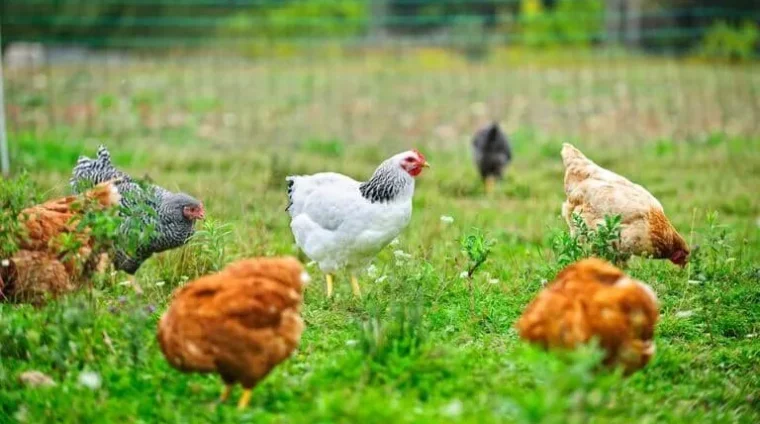
This course equips participants with the knowledge and practical skills required to establish and manage productive and sustainable poultry farming enterprises. It focuses on poultry housing, feeding, health management, breeding, biosecurity, and production optimization for both meat and egg production. Participants will learn modern best practices that improve productivity, reduce mortality, and enhance profitability in poultry farming systems.
Target Groups
- Poultry farmers and agribusiness entrepreneurs
- Farm managers and livestock producers
- Veterinary and animal health assistants
- Agricultural extension officers
- Cooperative and value chain actors
- Students pursuing animal science or agriculture
Course Objectives
By the end of this course, participants will be able to:
- Understand principles of poultry production systems.
- Design and manage efficient poultry housing systems.
- Apply proper feeding and nutrition practices.
- Implement effective poultry health and disease control measures.
- Improve egg and meat production efficiency.
- Apply biosecurity measures to prevent disease outbreaks.
- Manage breeding and flock replacement systems.
- Maintain accurate poultry farm records.
- Enhance profitability and productivity in poultry farming.
- Apply sustainable poultry farming practices.
Course Modules
Module 1: Introduction to Poultry Farming
- Overview of poultry production systems
- Types of poultry (layers, broilers, breeders)
- Importance of poultry farming in agriculture
- Poultry value chain overview
- Case studies in poultry production
Module 2: Poultry Housing & Farm Design
- Types of poultry housing systems
- Space, ventilation, and lighting requirements
- Floor systems and cage systems
- Farm layout and infrastructure planning
- Hygiene and sanitation in poultry houses
Module 3: Poultry Nutrition & Feeding Management
- Nutritional requirements of poultry
- Types of poultry feeds and formulations
- Feeding programs for broilers and layers
- Feed conversion efficiency
- Feed storage and quality management
Module 4: Poultry Breeding & Flock Management
- Principles of poultry breeding
- Hatchery management and incubation
- Flock replacement strategies
- Growth stages and management practices
- Genetic improvement and productivity
Module 5: Poultry Health & Disease Control
- Common poultry diseases and symptoms
- Vaccination programs and schedules
- Disease prevention and control measures
- Biosecurity practices on poultry farms
- Managing disease outbreaks
Module 6: Biosecurity & Farm Hygiene
- Importance of biosecurity in poultry farming
- Farm access control and sanitation
- Equipment and personnel hygiene
- Disease transmission prevention
- Emergency biosecurity protocols
Module 7: Egg Production & Management (Layers)
- Layer production cycle
- Egg formation and quality factors
- Egg collection, grading, and storage
- Improving egg production efficiency
- Managing laying performance
Module 8: Broiler Production Management
- Broiler production cycle
- Growth performance optimization
- Feeding and management practices
- Slaughter readiness and processing
- Market preparation for broilers
Module 9: Record Keeping & Farm Management
- Importance of poultry farm records
- Production and health records
- Feed and financial tracking
- Performance analysis
- Decision-making using farm data
Module 10: Capstone Project & Case Studies
- Real-world poultry farming systems
- Group project: designing a poultry farm plan
- Disease management and productivity improvement strategies
- Presentation of poultry business models
- Emerging trends in poultry farming and technology integration