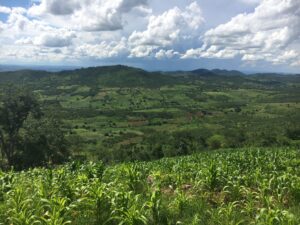
This course equips participants with the knowledge and practical tools to build climate resilience and strengthen food security. It focuses on climate risk assessment, adaptation practices, resilient livelihoods, early warning, food systems, nutrition, and policy and program design.
Target Groups
- Food security and livelihoods program officers
- Climate adaptation and resilience planners
- Agricultural extension and development officers
- Humanitarian and disaster risk officers
- Government and county planners
- NGO and donor program staff
- Managers and supervisors seeking to strengthen organizational practice in this field
- Consultants and professionals supporting related organizations
Course Objectives
By the end of this course, participants will be able to:
- Explain links between climate change, agriculture, and food security
- Assess climate risks and vulnerability of food systems
- Apply food security and livelihoods analysis frameworks
- Design climate-smart agricultural and livelihood practices
- Strengthen natural resource and water management for resilience
- Integrate early warning and anticipatory action
- Promote diversification, markets, and social protection
- Include gender, youth, and vulnerable groups
- Design and fund resilience programs
- Monitor resilience and food security outcomes
Course Modules
Module 1: Climate Change and Food Security
- Climate trends and impacts
- Dimensions of food security
- Vulnerable regions and groups
- Food systems under stress
- Key concepts of resilience
Module 2: Climate Risk and Vulnerability Assessment
- Risk assessment frameworks
- Hazard, exposure, and vulnerability
- Participatory tools
- Climate information use
- Prioritizing risks
Module 3: Food Security and Livelihood Analysis
- Food security indicators
- Livelihood zones and analysis
- Household economy approach
- Integrated phase classification
- Data use
Module 4: Climate-Smart Agriculture and Adaptation Practices
- Conservation agriculture
- Drought-tolerant crops and livestock
- Water harvesting and irrigation
- Agroforestry
- Soil health
Module 5: Natural Resource and Water Management
- Watershed management
- Rangeland and forest management
- Water governance
- Ecosystem-based adaptation
- Community resource management
Module 6: Early Warning and Anticipatory Action
- Early warning systems
- Climate information services
- Anticipatory action
- Contingency planning
- Community preparedness
Module 7: Diversified Livelihoods, Markets, and Social Protection
- Livelihood diversification
- Market access
- Climate risk insurance
- Savings and microfinance
- Safety nets
Module 8: Nutrition, Gender, and Inclusion
- Nutrition-sensitive approaches
- Gender-responsive adaptation
- Youth and marginalized groups
- Intrahousehold dynamics
- Community participation
Module 9: Program Design, Financing, and Monitoring
- Resilience program design
- Climate finance sources
- Policy alignment
- Monitoring resilience
- Learning and adaptive management
Module 10: Practical Exercises and Capstone Project
- Conducting a climate vulnerability assessment
- Analyzing food security data for a case area
- Designing a resilience intervention package
- Building a monitoring framework
- Presenting a program proposal