


Start Now

+254722784250
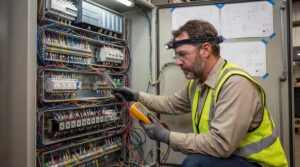
This course equips participants with the knowledge and practical skills required to understand, design, implement, and manage renewable energy systems. It focuses on solar, wind, hydro, biomass, and hybrid energy systems, including system sizing, installation, operation, maintenance, and integration into power grids. Participants will gain practical competence in delivering sustainable and clean energy solutions.
By the end of this course, participants will be able to:
Module 1: Introduction to Renewable Energy Systems
Module 2: Solar Energy Systems
Module 3: Wind Energy Systems
Module 4: Hydropower Systems
Module 5: Biomass and Bioenergy Systems
Module 6: Hybrid Renewable Energy Systems
Module 7: Energy Storage Systems
Module 8: System Design and Sizing
Module 9: Installation, Operation, and Maintenance
Module 10: Emerging Trends in Renewable Energy Systems
We use cookies to improve your experience, including essential cookies required for the website to function. By continuing, you agree to our use of cookies.
We use cookies to help you navigate efficiently and perform certain functions. You will find detailed information about all cookies under each consent category below.
Necessary cookies are required to enable the basic features of this site, such as providing secure log-in or adjusting your consent preferences. These cookies do not store any personally identifiable data.
Analytical cookies are used to understand how visitors interact with the website. These cookies help provide information on metrics such as the number of visitors, bounce rate, traffic source, etc.
Advertisement cookies are used to provide visitors with customised advertisements based on the pages you visited previously and to analyse the effectiveness of the ad campaigns.
Functional cookies help perform certain functionalities like sharing the content of the website on social media platforms, collecting feedback, and other third-party features.
We use cookies to improve your experience, including essential cookies required for the website to function. By continuing, you agree to our use of cookies.
We use cookies to help you navigate efficiently and perform certain functions. You will find detailed information about all cookies under each consent category below.
Necessary cookies are required to enable the basic features of this site, such as providing secure log-in or adjusting your consent preferences. These cookies do not store any personally identifiable data.
Analytical cookies are used to understand how visitors interact with the website. These cookies help provide information on metrics such as the number of visitors, bounce rate, traffic source, etc.
Advertisement cookies are used to provide visitors with customised advertisements based on the pages you visited previously and to analyse the effectiveness of the ad campaigns.
Functional cookies help perform certain functionalities like sharing the content of the website on social media platforms, collecting feedback, and other third-party features.