
Electrical Safety Training Course
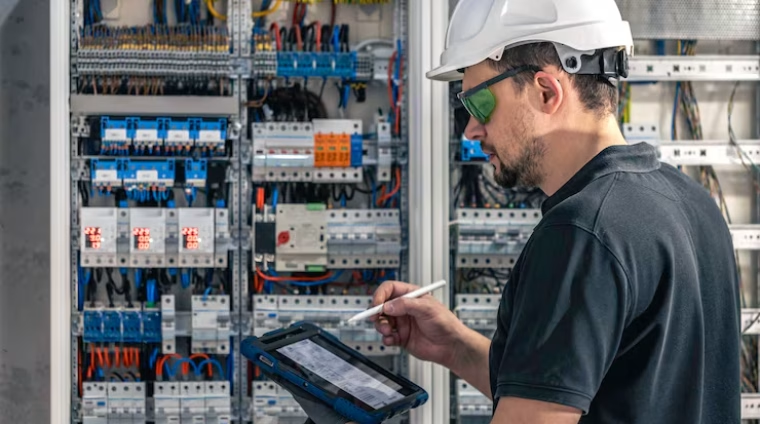
This course equips participants with the knowledge and practical skills required to work safely with electrical systems in residential, commercial, and industrial environments. It focuses on electrical hazards, risk prevention, safe work practices, protective equipment, regulatory compliance, and emergency response. Participants will learn how to reduce electrical accidents, ensure workplace safety, and comply with electrical safety standards.
Target Groups
- Electrical engineers and technicians
- Maintenance and facility management staff
- Construction and building contractors
- Industrial plant operators
- Utility and power sector workers
- Renewable energy installers (solar and wind)
- Health and safety officers
- Government inspectors and regulators
- Students in electrical and engineering fields
- Apprentices and technical trainees
Course Objectives
By the end of this course, participants will be able to:
- Understand principles of electrical safety
- Identify electrical hazards in different environments
- Apply safe working procedures with electrical systems
- Use personal protective equipment (PPE) correctly
- Implement lockout/tagout (LOTO) procedures
- Respond effectively to electrical emergencies
- Reduce risk of electrical shocks and fires
- Comply with electrical safety standards and regulations
- Conduct basic electrical safety inspections
- Promote a safety culture in the workplace
Course Modules
Module 1: Introduction to Electrical Safety
- Overview of electrical safety principles
- Importance of safety in electrical work
- Common electrical hazards
- Types of electrical accidents
- Safety culture in electrical environments
Module 2: Electrical Hazards and Risk Identification
- Electric shock and electrocution risks
- Arc flash and arc blast hazards
- Fire risks from electrical systems
- Overloaded circuits and faulty wiring
- Risk assessment techniques
Module 3: Electrical Safety Standards and Regulations
- International and national safety standards
- Electrical codes and compliance requirements
- Workplace safety regulations
- Inspection and certification requirements
- Role of regulatory bodies
Module 4: Personal Protective Equipment (PPE)
- Types of electrical PPE
- Insulated gloves, helmets, and footwear
- Arc flash protective clothing
- Proper use and maintenance of PPE
- PPE inspection procedures
Module 5: Safe Work Practices
- Safe isolation of electrical systems
- Lockout/Tagout (LOTO) procedures
- Safe use of electrical tools and equipment
- Working on live systems precautions
- Permit-to-work systems
Module 6: Electrical Testing and Inspection Safety
- Safe testing procedures
- Use of multimeters and testing devices
- Voltage verification methods
- Inspection of electrical installations
- Preventive maintenance safety
Module 7: Fire Prevention and Emergency Response
- Electrical fire causes and prevention
- Firefighting equipment and procedures
- Emergency shutdown procedures
- Rescue techniques for electrical accidents
- First aid for electric shock victims
Module 8: Workplace Electrical Safety Management
- Safety policies and procedures
- Risk assessment and safety planning
- Incident reporting and investigation
- Safety audits and inspections
- Training and awareness programs
Module 9: Electrical Safety in Special Environments
- Construction sites electrical safety
- Industrial plant safety requirements
- High-voltage system precautions
- Outdoor and wet environment safety
- Renewable energy system safety
Module 10: Emerging Trends in Electrical Safety
- Smart safety monitoring systems
- IoT-based hazard detection
- AI in predictive safety management
- Digital safety compliance systems
- Future trends in electrical safety and workplace risk management systems
Course Features
- Activities ELECTRICAL ENGINEERING

We use cookies to improve your experience, including essential cookies required for the website to function. By continuing, you agree to our use of cookies.
Customise Consent Preferences
We use cookies to help you navigate efficiently and perform certain functions. You will find detailed information about all cookies under each consent category below.
Necessary cookies are required to enable the basic features of this site, such as providing secure log-in or adjusting your consent preferences. These cookies do not store any personally identifiable data.
Analytical cookies are used to understand how visitors interact with the website. These cookies help provide information on metrics such as the number of visitors, bounce rate, traffic source, etc.
Advertisement cookies are used to provide visitors with customised advertisements based on the pages you visited previously and to analyse the effectiveness of the ad campaigns.
Functional cookies help perform certain functionalities like sharing the content of the website on social media platforms, collecting feedback, and other third-party features.