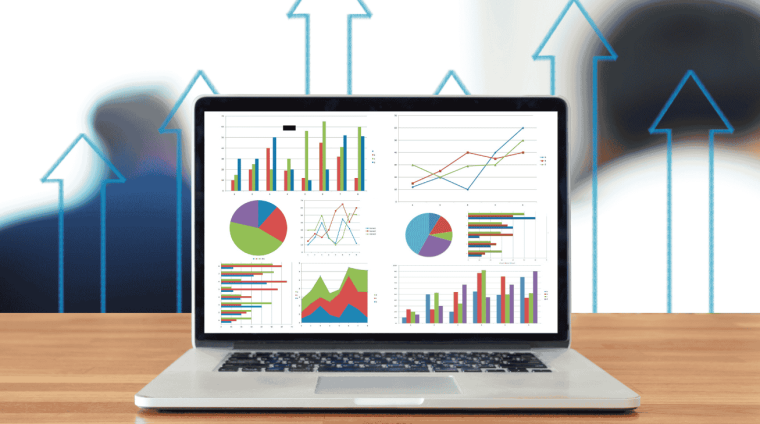
This course equips participants with practical and advanced skills in predictive modeling and forecasting within Business Intelligence (BI) environments. It focuses on building forecasting models, identifying trends, applying statistical and machine learning techniques, and integrating predictive outputs into BI dashboards and decision systems. Participants will learn how to transform historical data into forward-looking insights that support planning, strategy, and performance optimization.
Target Groups
- Business intelligence and data analysts
- Data scientists and predictive modeling professionals
- BI developers and dashboard specialists
- Finance, operations, and supply chain analysts
- Marketing and customer insights teams
- Strategy and planning professionals
- Risk and compliance analysts
- IT and digital transformation teams
- Monitoring and evaluation officers
- Anyone involved in forecasting and predictive analytics
Course Objectives
By the end of this course, participants will be able to:
- Build predictive models for business forecasting
- Apply time series and regression techniques in BI
- Identify trends, seasonality, and business patterns
- Improve forecasting accuracy using validation methods
- Integrate predictive outputs into BI dashboards
- Support strategic and operational planning with forecasts
- Evaluate model performance using statistical metrics
- Apply scenario and sensitivity analysis techniques
- Translate forecasts into actionable business insights
- Strengthen data-driven decision-making processes
Course Modules
Module 1: Introduction to Predictive Modeling in BI
- Role of predictive modeling in business intelligence
- Descriptive vs predictive vs prescriptive analytics
- Forecasting use cases in business environments
- Overview of modeling lifecycle
- Importance of data-driven forecasting
Module 2: Data Preparation for Forecasting Models
- Data cleaning and preprocessing techniques
- Handling missing values and outliers
- Feature engineering for predictive models
- Time-based data structuring
- Ensuring data quality and consistency
Module 3: Time Series Forecasting Techniques
- Trend, seasonality, and cyclic patterns
- Moving averages and exponential smoothing
- ARIMA and seasonal forecasting concepts
- Forecast accuracy measurement
- Business applications of time series models
Module 4: Regression-Based Predictive Modeling
- Simple and multiple regression models
- Variable selection and model building
- Model interpretation and diagnostics
- Improving prediction accuracy
- Business applications of regression models
Module 5: Machine Learning for Forecasting
- Overview of supervised learning methods
- Decision trees and ensemble models
- Random forest and boosting techniques
- Model evaluation and validation techniques
- Avoiding overfitting and underfitting
Module 6: Scenario Analysis and Business Forecasting
- What-if analysis and simulations
- Sensitivity analysis for business variables
- Scenario planning techniques
- Risk-based forecasting approaches
- Decision support using forecasting models
Module 7: Integrating Forecasting into BI Systems
- Embedding models into BI dashboards
- Real-time forecasting integration
- Visualizing predictive insights
- Automated reporting of forecasts
- Linking forecasts to KPIs and performance systems
Module 8: Model Evaluation and Optimization
- Accuracy metrics (MAE, RMSE, MAPE)
- Cross-validation techniques
- Bias-variance trade-off
- Model tuning and improvement strategies
- Continuous model monitoring
Module 9: Business Applications of Forecasting Models
- Sales and revenue forecasting
- Demand and supply chain forecasting
- Financial performance forecasting
- Customer behavior prediction
- Risk and operational forecasting
Module 10: Capstone Project and Case Studies
- End-to-end predictive modeling project
- Real-world forecasting case studies
- BI dashboard with integrated predictions
- Scenario-based forecasting simulation exercise
- Emerging trends: AI-driven forecasting systems, real-time predictive BI, automated model generation, augmented analytics, and intelligent decision-support platforms