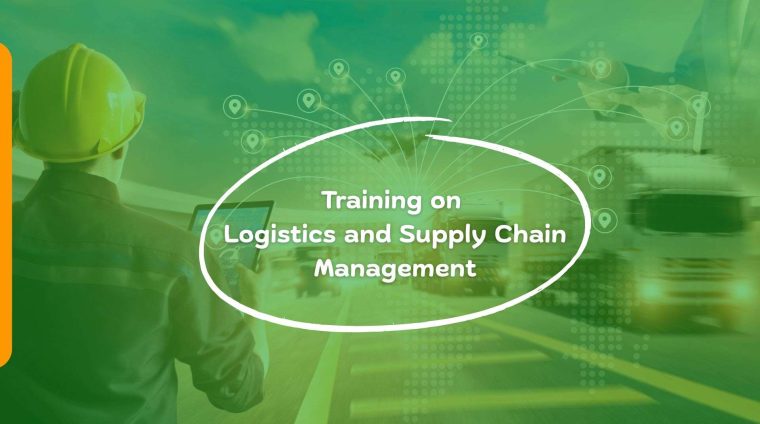
This course provides participants with essential knowledge and practical skills in logistics and distribution management. It focuses on the planning, implementation, and control of efficient logistics operations, including transportation, warehousing, order fulfillment, and distribution networks. Participants will gain insights into how to optimize logistics processes to reduce costs, improve efficiency, and enhance customer service in both local and global contexts.
Target Groups
- Logistics and supply chain professionals
- Warehouse and distribution managers
- Transport and fleet managers
- Procurement and operations officers
- Business owners and entrepreneurs involved in logistics
- Consultants in logistics and supply chain
- Students pursuing logistics, supply chain, or operations management
Course Objectives
By the end of this course, participants will be able to:
- Understand the principles and scope of logistics and distribution management.
- Design and manage efficient distribution networks.
- Optimize transportation and fleet operations.
- Apply best practices in warehousing and inventory control.
- Leverage technology for logistics efficiency and visibility.
- Evaluate logistics costs and improve cost-effectiveness.
- Enhance customer service through effective logistics strategies.
- Apply risk management in logistics and distribution.
- Implement sustainable logistics practices.
- Measure and improve logistics performance using KPIs.
Course Modules
Module 1: Introduction to Logistics & Distribution
- Definition, scope, and significance of logistics
- Role of distribution in supply chain management
- Logistics trends and challenges
Module 2: Distribution Network Design & Strategy
- Types of distribution channels
- Factors influencing network design
- Centralized vs. decentralized distribution
- Aligning distribution strategy with business goals
Module 3: Transportation Management
- Modes of transport and selection criteria
- Transport cost analysis and optimization
- Fleet management and scheduling
- Global logistics and customs regulations
Module 4: Warehousing & Inventory Control
- Role of warehousing in logistics
- Warehouse layout and design principles
- Inventory management methods (JIT, EOQ, ABC analysis)
- Warehouse automation and WMS systems
Module 5: Order Fulfillment & Customer Service
- Order processing and fulfillment cycle
- Importance of on-time delivery
- Reverse logistics and returns management
- Customer satisfaction and service levels
Module 6: Logistics Technology & Digitalization
- ERP, TMS, and WMS systems
- Role of IoT, AI, and blockchain in logistics
- Real-time tracking and visibility solutions
- Data analytics for logistics decision-making
Module 7: Cost Management in Logistics
- Identifying cost drivers in logistics operations
- Freight cost control techniques
- Trade-offs between cost and service
- Budgeting and financial analysis in logistics
Module 8: Risk Management in Logistics & Distribution
- Common risks in logistics operations
- Contingency planning and resilience strategies
- Mitigating transportation and warehouse risks
- Case studies of logistics disruptions
Module 9: Sustainable Logistics Practices
- Green logistics and eco-friendly transport
- Energy efficiency in warehousing and distribution
- Carbon footprint measurement and reduction
- Sustainable packaging and reverse logistics
Module 10: Performance Measurement & Continuous Improvement
- Key logistics KPIs (delivery reliability, lead time, cost efficiency, service levels)
- Benchmarking logistics operations
- Continuous improvement and lean logistics
- Case studies of successful logistics transformations