This course equips participants with the knowledge and practical skills required to manage livestock nutrition and feeding systems for optimal productivity and health. It focuses on animal nutritional requirements, feed formulation, feed quality control, feeding strategies, and cost-effective ration planning. Participants will learn how to improve animal growth, milk and meat production, and overall herd performance through proper nutrition management.
Target Groups
- Livestock farmers and animal keepers
- Farm managers and agribusiness operators
- Veterinary and animal health assistants
- Agricultural extension officers
- Feed manufacturers and suppliers
- Students pursuing animal science or agriculture
Course Objectives
By the end of this course, participants will be able to:
- Understand principles of livestock nutrition and feeding.
- Identify nutritional requirements of different livestock species.
- Formulate balanced and cost-effective animal rations.
- Improve feed utilization and animal performance.
- Manage feed quality, storage, and safety.
- Apply feeding strategies for different production stages.
- Reduce feeding costs while maintaining productivity.
- Recognize and correct nutritional deficiencies.
- Integrate sustainable feeding practices.
- Enhance overall livestock health and productivity.
Course Modules
Module 1: Introduction to Livestock Nutrition
- Importance of nutrition in livestock production
- Basic concepts of animal nutrition
- Digestive systems of livestock species
- Nutrient categories and their roles
- Overview of feeding systems
Module 2: Nutritional Requirements of Livestock
- Energy, protein, vitamins, and minerals needs
- Species-specific nutritional requirements
- Nutritional needs by age and production stage
- Growth, lactation, and reproduction nutrition
- Identifying deficiency symptoms
Module 3: Feed Types & Feed Resources
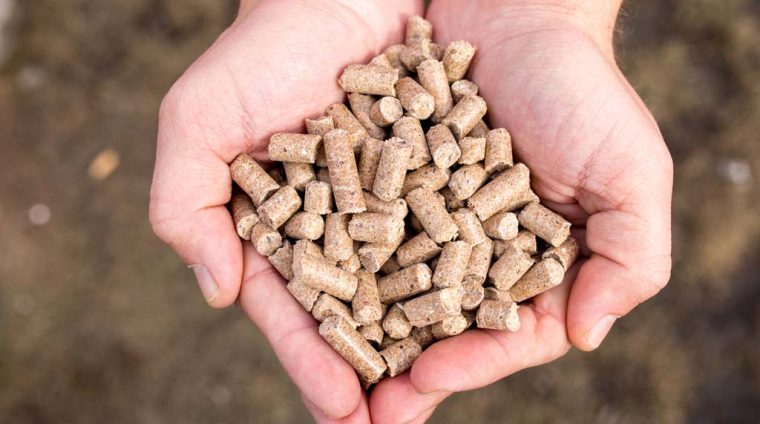
- Roughages, concentrates, and supplements
- Natural and cultivated fodder sources
- Feed ingredients and their properties
- Alternative feed resources
- Feed availability and seasonal considerations
Module 4: Feed Formulation & Ration Balancing
- Principles of ration formulation
- Balancing diets for different livestock
- Cost-effective feed formulation techniques
- Using feed formulation tools and methods
- Practical ration planning exercises
Module 5: Feeding Strategies & Management
- Feeding systems for cattle, goats, sheep, and poultry
- Feeding frequency and schedules
- Group feeding versus individual feeding
- Feeding management for productivity
- Reducing feed wastage
Module 6: Feed Quality & Safety Management
- Assessing feed quality and nutrition value
- Feed contamination risks and prevention
- Storage and preservation of feeds
- Ensuring feed hygiene and safety
- Quality control practices
Module 7: Pasture & Forage Management
- Establishing and managing pastures
- Grazing systems and rotational grazing
- Forage conservation techniques
- Silage and hay production
- Improving pasture productivity
Module 8: Nutritional Disorders & Correction
- Common nutritional deficiencies in livestock
- Metabolic and digestive disorders
- Identifying symptoms and causes
- Corrective feeding strategies
- Preventive nutrition management
Module 9: Cost Management in Feeding Systems
- Feed cost analysis and budgeting
- Improving feed efficiency
- Reducing production costs
- Evaluating feed conversion ratios
- Profitability in feeding systems
Module 10: Capstone Project & Case Studies
- Real-world livestock feeding scenarios
- Group project: designing a livestock feeding program
- Feed formulation and ration planning exercises
- Presentation of feeding strategies
- Best practices and emerging trends in livestock nutrition management