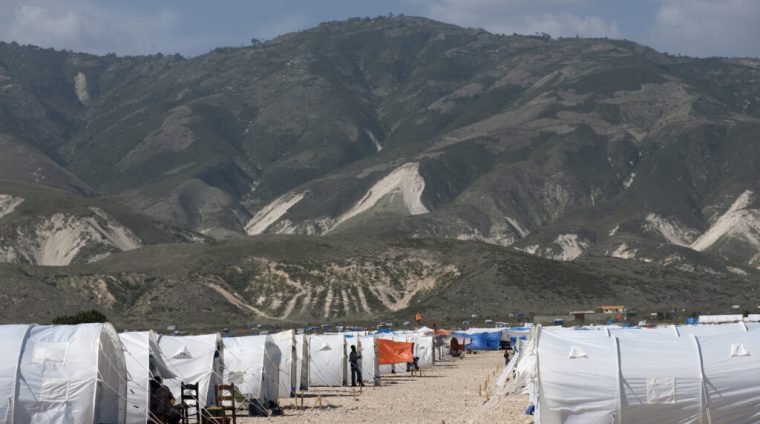
This course provides participants with the skills and knowledge to conduct comprehensive humanitarian needs assessments in emergency and crisis contexts. It covers assessment methodologies, data collection, analysis, and reporting to inform evidence-based humanitarian response planning. Participants will learn to identify priority needs, vulnerable populations, and resource requirements to ensure effective, timely, and accountable aid delivery.
Target Groups
- Humanitarian aid workers and field staff
- NGO and international organization program officers
- Government disaster management and social services personnel
- Monitoring, evaluation, and research staff
- Community development practitioners
- Students pursuing humanitarian studies, international development, or social sciences
- Consultants and advisors in emergency response and assessment
Course Objectives
By the end of this course, participants will be able to:
- Understand the principles and frameworks guiding humanitarian needs assessments.
- Identify and prioritize affected populations and their needs.
- Apply quantitative and qualitative assessment methodologies.
- Collect, analyze, and interpret relevant data for decision-making.
- Prepare comprehensive reports to inform humanitarian programming.
- Integrate protection, gender, and vulnerability considerations into assessments.
- Coordinate with multiple stakeholders during assessment activities.
- Ensure ethical and accountable data collection and management.
- Use technology and tools for rapid assessments and data visualization.
- Translate assessment findings into actionable recommendations for response.
Course Modules
Module 1: Introduction to Humanitarian Needs Assessment
- Purpose and scope of needs assessments
- Principles of humanitarian response
- Types of humanitarian crises
- Key actors and coordination mechanisms
Module 2: Assessment Planning and Design
- Defining objectives and scope
- Developing assessment plans and protocols
- Stakeholder engagement and coordination
- Resource and logistics planning for assessments
Module 3: Data Collection Methodologies
- Quantitative methods: surveys and sampling
- Qualitative methods: focus groups, interviews
- Remote and secondary data sources
- Tools and technologies for data collection
Module 4: Protection, Gender, and Vulnerability Considerations
- Identifying vulnerable groups
- Integrating protection and gender perspectives
- Ethical principles in assessments
- Inclusive and culturally sensitive approaches
Module 5: Field Operations and Safety
- Planning field missions
- Ensuring staff safety and security
- Community engagement strategies
- Coordination with local authorities and stakeholders
Module 6: Data Analysis and Interpretation
- Cleaning and validating data
- Statistical and thematic analysis
- Identifying trends, gaps, and priorities
- Interpreting results for decision-making
Module 7: Reporting and Communication
- Writing clear and actionable assessment reports
- Visualizing data and findings
- Communicating results to stakeholders
- Ensuring transparency and accountability
Module 8: Rapid and Multi-Sectoral Assessments
- Conducting rapid needs assessments
- Multi-sectoral assessment frameworks
- Prioritizing interventions across sectors
- Tools for integrated assessments
Module 9: Monitoring, Evaluation, and Feedback
- Linking assessments to monitoring and evaluation
- Continuous learning from field data
- Feedback mechanisms for communities
- Improving assessment processes based on lessons learned
Module 10: Case Studies and Practical Exercises
- Real-world assessment scenarios
- Simulated data collection exercises
- Designing context-specific assessment plans
- Best practices for evidence-based humanitarian decision-making