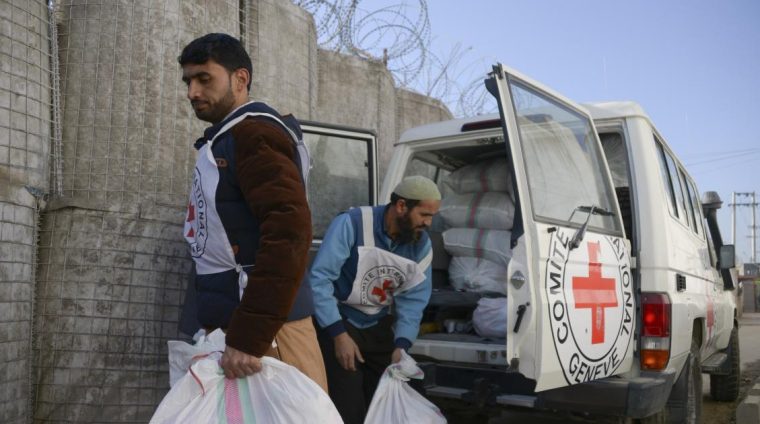
This course equips participants with a solid understanding of humanitarian law, relevant policies, and regulatory frameworks that govern the conduct of humanitarian action. It explores the principles of International Humanitarian Law (IHL), refugee law, protection frameworks, and policy considerations in crisis contexts. Participants will learn how to apply legal and policy standards to ensure effective, ethical, and compliant humanitarian operations.
Target Groups
- Humanitarian and development professionals
- Legal advisors and policy officers in aid organizations
- NGO staff working in emergency response and protection
- Government and international agency personnel
- Students pursuing international law, human rights, or humanitarian studies
- Consultants and advisors supporting humanitarian programs
Course Objectives
By the end of this course, participants will be able to:
- Understand the fundamentals of International Humanitarian Law (IHL) and its applications.
- Interpret humanitarian policies and legal frameworks governing crises.
- Apply refugee law and protection standards in field operations.
- Identify compliance obligations for humanitarian actors.
- Assess the legal implications of operational decisions.
- Ensure ethical and lawful conduct in complex humanitarian environments.
- Coordinate with multiple stakeholders in line with legal and policy requirements.
- Integrate legal and policy considerations into program planning.
- Monitor and evaluate adherence to humanitarian law and policy.
- Advocate for the protection of civilians and vulnerable populations.
Course Modules
Module 1: Introduction to Humanitarian Law
- History and evolution of humanitarian law
- Principles of IHL and their relevance
- Key conventions and treaties
- Applicability in conflict and crisis contexts
Module 2: Core Principles of Humanitarian Action
- Humanity, neutrality, impartiality, independence
- Linking principles to legal obligations
- Ethical considerations in humanitarian law
- Ensuring compliance in operational settings
Module 3: Protection of Civilians and Vulnerable Populations
- Legal obligations toward civilians
- Child protection and gender considerations
- Rights of displaced populations
- Protection strategies in the field
Module 4: Refugee Law and International Protection
- 1951 Refugee Convention and Protocol
- Determining refugee status
- Rights and entitlements of refugees
- Policy frameworks for humanitarian assistance
Module 5: Humanitarian Policy Frameworks
- UN humanitarian policies and guidelines
- NGO and donor policy requirements
- Policy implementation challenges
- Coordination among stakeholders
Module 6: Legal Compliance in Humanitarian Operations
- Ensuring adherence to IHL and local laws
- Reporting and accountability mechanisms
- Legal risk assessment and mitigation
- Case studies of compliance failures
Module 7: Conflict and Operational Contexts
- Conducting operations in conflict zones
- Legal considerations in military and non-military contexts
- Negotiating access and security protocols
- Do-no-harm and conflict sensitivity principles
Module 8: Monitoring and Evaluation of Legal Compliance
- Tools for legal compliance monitoring
- Audits, inspections, and reporting
- Indicators for policy adherence
- Lessons learned from operational evaluations
Module 9: Ethical and Policy Decision-Making
- Addressing ethical dilemmas in field operations
- Policy-driven decision-making processes
- Balancing operational efficiency and legal obligations
- Stakeholder communication and advocacy
Module 10: Case Studies and Practical Applications
- Analysis of humanitarian legal challenges
- Lessons from real-world interventions
- Designing policy-compliant programs
- Best practices for integrating law and policy in humanitarian action