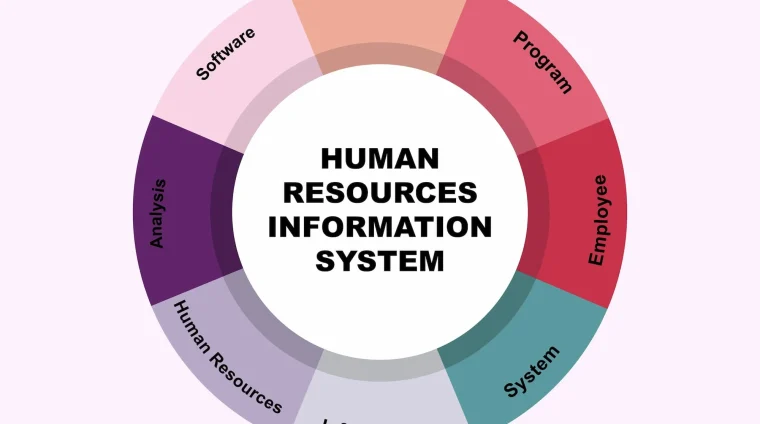
This course equips participants with the knowledge and practical skills required to effectively implement, manage, and optimize Human Resource Information Systems (HRIS). It focuses on HR data management, system configuration, employee records, payroll integration, analytics, reporting, and digital HR transformation. Participants will learn how to leverage HRIS platforms to improve efficiency, accuracy, and strategic decision-making in HR operations.
Target Groups
- HR managers and officers
- HRIS and HR technology specialists
- Payroll and compensation professionals
- IT and systems administrators supporting HR platforms
- Talent management and HR analytics professionals
- Business and operations managers
- Public sector HR personnel
- Students pursuing human resource management, IT, or business administration
Course Objectives
By the end of this course, participants will be able to:
- Understand principles of HR Information Systems (HRIS)
- Configure and manage HRIS platforms effectively
- Maintain accurate employee data and records
- Integrate HRIS with payroll and other systems
- Generate HR reports and analytics dashboards
- Improve HR processes through automation
- Ensure data security and privacy compliance
- Support HR decision-making using system data
- Enhance efficiency in HR operations
- Manage HRIS implementation and optimization
Course Modules
Module 1: Introduction to HR Information Systems
- Definition and purpose of HRIS
- Evolution of HR technology
- Components of HRIS
- Benefits of HRIS in organizations
- Overview of HR digital transformation
Module 2: HRIS Architecture and System Design
- HRIS system structure and modules
- Cloud-based vs on-premise systems
- System integration concepts
- Data flow within HRIS
- HRIS vendors and platforms overview
Module 3: Employee Data Management
- Employee master data setup
- Data entry and validation processes
- Record keeping and maintenance
- Data accuracy and consistency
- Employee lifecycle tracking
Module 4: Core HRIS Modules
- Recruitment and onboarding systems
- Payroll and compensation modules
- Performance management systems
- Leave and attendance tracking
- Training and development modules
Module 5: HRIS Reporting and Analytics
- Standard HR reports and dashboards
- Custom report generation
- HR metrics and KPIs
- Data visualization techniques
- Supporting decision-making with data
Module 6: HRIS and Payroll Integration
- Payroll system integration principles
- Salary computation and automation
- Statutory deductions and compliance
- Error handling and reconciliation
- Payroll reporting through HRIS
Module 7: System Configuration and Administration
- User roles and access control
- Workflow design and automation
- System customization
- Approval processes and hierarchies
- System maintenance and updates
Module 8: Data Security and Compliance
- HR data privacy and protection
- Access control and authorization
- Compliance with data regulations
- Cybersecurity in HR systems
- Risk management in HRIS
Module 9: HRIS Implementation and Change Management
- HRIS implementation lifecycle
- Requirements gathering and planning
- User training and adoption
- Managing organizational change
- System evaluation and optimization
Module 10: Capstone Project and Case Studies
- Real-world HRIS implementation scenarios
- Group project: designing an HRIS framework
- Data management and reporting exercise
- Case study review of HRIS successes and failures
- Emerging trends in AI-powered HRIS, cloud HR platforms, and predictive people analytics systems