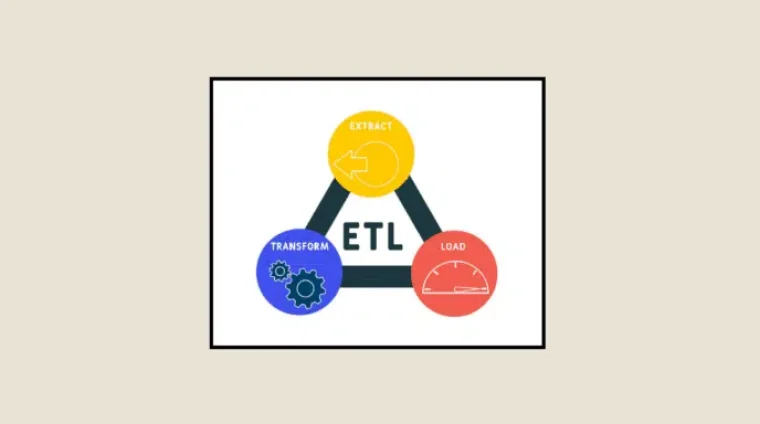
This course equips participants with the knowledge and practical skills required to design, build, and manage ETL processes for data integration and business intelligence systems. It focuses on extracting data from multiple sources, transforming it into usable formats, and loading it into data warehouses or analytical systems. Participants will learn how to build efficient, scalable, and reliable data pipelines that support reporting and analytics.
Target Groups
- Data engineers and ETL developers
- Business intelligence professionals
- Data analysts and data architects
- Database administrators
- IT and systems integration specialists
- Students pursuing data engineering or analytics
Course Objectives
By the end of this course, participants will be able to:
- Understand ETL concepts and data pipeline architecture.
- Extract data from multiple structured and unstructured sources.
- Clean, transform, and standardize data effectively.
- Load data into data warehouses and analytics systems.
- Design efficient and scalable ETL workflows.
- Use ETL tools and automation techniques.
- Ensure data quality and consistency across systems.
- Optimize ETL performance and reliability.
- Troubleshoot ETL processes and data issues.
- Support business intelligence and reporting needs.
Course Modules
Module 1: Introduction to ETL Processes
- Definition and importance of ETL
- Role of ETL in data warehousing and BI
- ETL lifecycle and workflow
- Batch vs real-time ETL
- Case studies in data integration
Module 2: Data Extraction Techniques
- Identifying data sources
- Extracting data from databases
- APIs and web data extraction
- File-based data extraction
- Handling structured and unstructured data
Module 3: Data Transformation Concepts
- Data cleaning and validation
- Data formatting and standardization
- Handling missing and duplicate data
- Data enrichment techniques
- Business rule application in transformation
Module 4: Data Loading Strategies
- Full load vs incremental load
- Data warehouse loading techniques
- Data staging concepts
- Error handling during loading
- Optimizing load performance
Module 5: ETL Architecture & Design
- ETL pipeline architecture
- Source-to-target mapping
- Workflow design principles
- Scalable ETL system design
- Best practices in ETL architecture
Module 6: ETL Tools & Technologies
- Overview of ETL tools and platforms
- Open-source vs commercial tools
- Workflow automation tools
- Cloud-based ETL solutions
- Tool selection criteria
Module 7: Data Quality & Validation
- Data quality dimensions
- Validation rules and checks
- Error detection and correction
- Data profiling techniques
- Ensuring data consistency
Module 8: ETL Performance Optimization
- Optimizing extraction processes
- Parallel processing techniques
- Indexing and partitioning strategies
- Reducing ETL execution time
- Monitoring performance metrics
Module 9: Error Handling & Troubleshooting
- Identifying ETL failures
- Logging and monitoring systems
- Exception handling techniques
- Debugging data pipeline issues
- Recovery and retry mechanisms
Module 10: Capstone Project & Case Studies
- Real-world ETL pipeline scenarios
- Group project: designing and implementing an ETL workflow
- Data integration and transformation exercises
- Performance optimization case study
- Emerging trends in ETL and data engineering pipelines