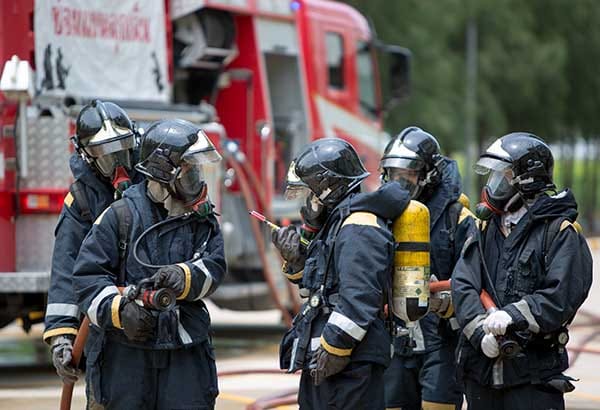
This course equips participants with the knowledge and skills to plan, coordinate, and execute effective emergency response and crisis management operations. It covers the principles of crisis preparedness, incident management, risk assessment, and communication strategies. Participants will learn to respond to natural disasters, public health emergencies, and complex crises efficiently, minimizing impacts on affected populations and organizational operations.
Target Groups
- Emergency response and disaster management personnel
- Humanitarian aid workers and field coordinators
- Government and municipal crisis management officers
- NGO program managers and operational staff
- Security and risk management professionals
- Students pursuing disaster management, emergency planning, or public safety studies
- Consultants and advisors in crisis management
Course Objectives
By the end of this course, participants will be able to:
- Understand the principles and frameworks of emergency response and crisis management.
- Conduct risk and vulnerability assessments in emergency contexts.
- Develop and implement emergency preparedness and response plans.
- Coordinate multi-agency and multi-sectoral crisis response operations.
- Apply incident management and command systems effectively.
- Communicate efficiently with stakeholders during crises.
- Manage resources, logistics, and operational challenges under pressure.
- Evaluate the effectiveness of response actions and improve processes.
- Integrate safety, protection, and ethical considerations in response operations.
- Enhance organizational and community resilience in crisis situations.
Course Modules
Module 1: Introduction to Emergency Response & Crisis Management
- Definition and scope of emergency response
- Types of crises and emergencies
- Principles of crisis management
- Roles and responsibilities of responders
Module 2: Risk Assessment and Vulnerability Analysis
- Identifying hazards and threats
- Assessing community and organizational vulnerabilities
- Prioritizing risks and potential impacts
- Tools and techniques for risk assessment
Module 3: Preparedness Planning and Readiness
- Developing emergency response plans
- Contingency and continuity planning
- Resource allocation and pre-positioning
- Training and capacity building for staff
Module 4: Incident Command and Coordination Systems
- Incident Command System (ICS) principles
- Multi-agency coordination mechanisms
- Command, control, and communication structures
- Roles of national, local, and international actors
Module 5: Emergency Operations and Field Response
- Activation of emergency plans
- Logistics and supply chain management
- Shelter, medical, and relief operations
- Operational challenges in crisis settings
Module 6: Communication and Information Management
- Crisis communication strategies
- Stakeholder engagement and media relations
- Information sharing and reporting systems
- Early warning and alert mechanisms
Module 7: Resource Management and Logistics
- Procurement, storage, and distribution of relief items
- Transportation and supply chain coordination
- Human resource deployment and task management
- Tracking and monitoring operational resources
Module 8: Safety, Security, and Protection Measures
- Ensuring staff and community safety
- Security protocols and risk mitigation
- Protection of vulnerable populations
- Ethical considerations in emergency response
Module 9: Monitoring, Evaluation, and Lessons Learned
- Assessing response effectiveness
- Key performance indicators and evaluation metrics
- Documentation and reporting of lessons learned
- Continuous improvement of response plans
Module 10: Case Studies and Simulation Exercises
- Analysis of real-world emergency responses
- Crisis simulation and tabletop exercises
- Designing context-specific response strategies
- Best practices in emergency preparedness and management