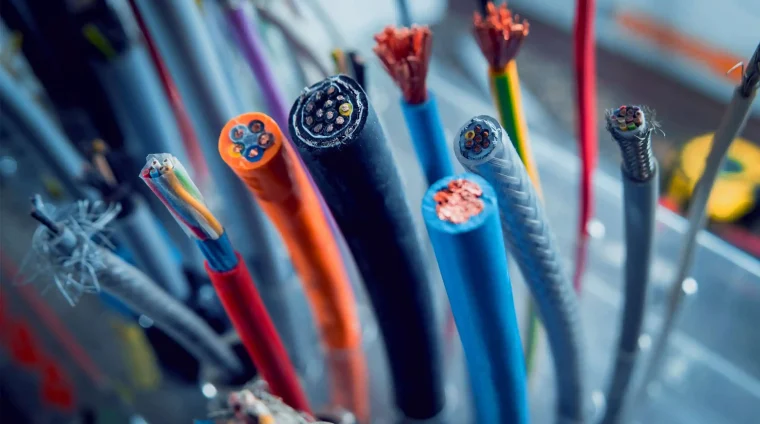
This course equips participants with practical knowledge and skills to operate and manage electricity distribution networks. It focuses on network components, switching and control, protection, fault management, power quality, loss reduction, safety, and network performance.
Target Groups
- Distribution network operators and control room staff
- Electrical engineers and technicians
- Utility supervisors and managers
- Maintenance and field crews
- Energy regulators and planners
- Renewable energy and mini-grid practitioners
- Managers and supervisors seeking to strengthen organizational practice in this field
- Consultants and professionals supporting related organizations
Course Objectives
By the end of this course, participants will be able to:
- Describe the structure and components of distribution networks
- Explain load, demand, and network planning basics
- Operate and switch networks safely
- Apply protection principles and equipment coordination
- Manage faults, outages, and restoration
- Maintain power quality and voltage control
- Identify and reduce technical and commercial losses
- Apply safe working practices and permit-to-work systems
- Use SCADA and monitoring tools
- Integrate distributed generation and smart grid technologies
Course Modules
Module 1: Electricity Distribution Overview
- Power system structure
- Distribution voltage levels
- Network configurations
- Utility organization
- Sector regulation
Module 2: Network Components and Equipment
- Lines and cables
- Transformers
- Switchgear and reclosers
- Capacitors and regulators
- Metering equipment
Module 3: Load, Demand, and Network Planning Basics
- Load characteristics
- Demand forecasting
- Capacity and loading
- Network reinforcement
- Planning criteria
Module 4: Network Operation and Switching
- Operating procedures
- Switching programs
- Network reconfiguration
- Control room operation
- Communication protocols
Module 5: Protection Systems
- Protection principles
- Relays and fuses
- Coordination basics
- Earthing
- Protection testing
Module 6: Fault Management and Restoration
- Types of faults
- Fault location
- Outage management
- Restoration strategies
- Reliability indices
Module 7: Power Quality and Voltage Control
- Voltage regulation
- Harmonics and flicker
- Power factor correction
- Quality standards
- Monitoring
Module 8: Loss Reduction and Revenue Protection
- Technical and non-technical losses
- Loss measurement
- Energy balance
- Theft detection
- Metering and billing controls
Module 9: Safety, SCADA, and Smart Grid
- Safe working and permit-to-work
- Arc flash and electrical hazards
- SCADA and automation
- Distributed generation integration
- Smart grid concepts
Module 10: Practical Exercises and Capstone Project
- Analyzing a sample distribution network diagram
- Developing a switching and restoration plan
- Evaluating protection coordination scenarios
- Conducting a loss analysis
- Presenting a network operations improvement plan