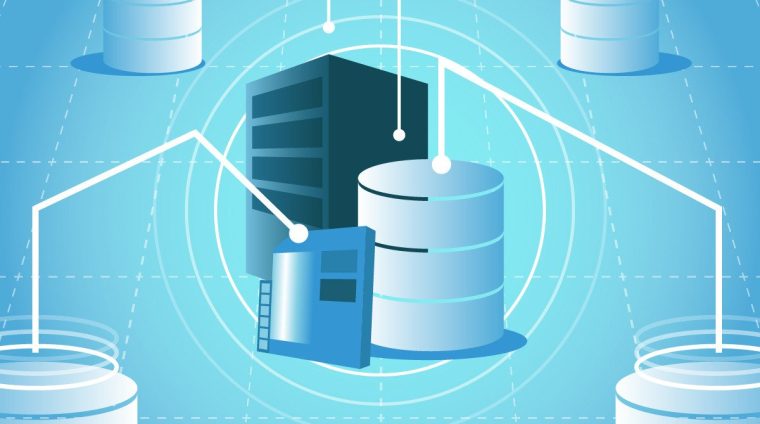
This course provides participants with comprehensive knowledge of data warehousing concepts, architecture, and ETL (Extract, Transform, Load) processes. It covers the design, implementation, and management of data warehouses to support business intelligence and analytics. Participants will learn how to efficiently collect, transform, and load data from multiple sources to create robust and scalable analytical environments.
Target Groups
- Data analysts and business intelligence professionals
- Data engineers and database administrators
- IT professionals working on data integration and analytics
- BI developers and reporting specialists
- Students pursuing data analytics, information systems, or computer science
Course Objectives
By the end of this course, participants will be able to:
- Understand the fundamentals of data warehousing and its role in analytics.
- Design and implement data warehouse architecture and schemas.
- Extract, transform, and load data efficiently from multiple sources.
- Ensure data quality, consistency, and integrity in warehouse systems.
- Integrate ETL processes with business intelligence and reporting tools.
- Optimize ETL workflows for performance and scalability.
- Manage metadata, versioning, and data governance in warehousing projects.
- Apply best practices in data warehousing and ETL implementation.
- Solve real-world data integration and analytics challenges.
- Utilize popular ETL tools to streamline data pipelines and reporting.
Course Modules
Module 1: Introduction to Data Warehousing
- Concepts and purpose of data warehouses
- Data warehouse vs. transactional databases
- Types of data warehouses: enterprise, operational, and cloud
- Key components and architecture
Module 2: Data Warehouse Design
- Star and snowflake schema design
- Fact and dimension tables
- Data modeling best practices
- Handling slowly changing dimensions
Module 3: ETL Process Fundamentals
- Overview of Extract, Transform, Load
- Data extraction techniques from diverse sources
- Data transformation strategies
- Loading data into warehouse systems
Module 4: Data Quality and Governance
- Ensuring accuracy, consistency, and completeness
- Handling duplicates and missing data
- Metadata management and documentation
- Establishing data governance practices
Module 5: ETL Tools and Technologies
- Overview of popular ETL tools (Informatica, Talend, SSIS)
- Tool selection criteria
- Scheduling and automation of ETL jobs
- Monitoring and error handling in ETL
Module 6: Performance Optimization
- Optimizing ETL workflows and queries
- Incremental and batch loading techniques
- Indexing and partitioning for faster access
- Troubleshooting performance bottlenecks
Module 7: Integration with Business Intelligence
- Feeding data to dashboards and reports
- Supporting real-time and near-real-time analytics
- Connecting warehouse data with visualization tools
- Creating analytics-ready datasets
Module 8: Cloud Data Warehousing
- Cloud-based warehouse options (Snowflake, Redshift, BigQuery)
- Benefits and considerations of cloud implementation
- Migrating on-premises data to the cloud
- Security and compliance in cloud warehouses
Module 9: Advanced ETL Techniques
- Complex transformations and data enrichment
- Handling semi-structured and unstructured data
- Using scripting and automation in ETL
- Change data capture and real-time ETL
Module 10: Practical Applications and Case Studies
- Real-world ETL and data warehousing scenarios
- Hands-on exercises in designing and implementing ETL pipelines
- Performance tuning and optimization examples
- Lessons learned and best practices for robust data warehouses