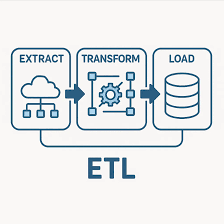
This course equips participants with practical skills and technical knowledge to design, build, and optimize Extract, Transform, and Load (ETL) processes for reliable analytics and reporting. It focuses on data extraction, transformation workflows, ETL architecture, data quality management, automation, performance optimization, and governance best practices. Participants will learn how to move and prepare data efficiently across systems while ensuring accuracy, scalability, and business readiness.
Target Groups
- Data engineers and ETL developers
- BI and data warehouse professionals
- Database administrators
- Data analysts working with integration workflows
- IT and systems integration teams
- Cloud and platform engineers
- Reporting and analytics professionals
- Application developers supporting data pipelines
- Public and private sector data management teams
Course Objectives
By the end of this course, participants will be able to:
- Understand ETL concepts and modern data integration approaches
- Design efficient and scalable ETL workflows
- Extract data from multiple source systems
- Apply transformation rules and business logic effectively
- Improve data quality and consistency during processing
- Optimize ETL performance and resource usage
- Automate data pipelines and scheduling processes
- Monitor ETL jobs and troubleshoot failures
- Implement governance and security controls in data pipelines
- Support analytics and reporting with reliable transformed data
Course Modules
Module 1: Introduction to ETL and Data Transformation
- Overview of ETL and ELT concepts
- Role of ETL in analytics and data warehousing
- Data transformation lifecycle
- ETL architecture and workflow components
- Current trends in data integration
Module 2: Data Extraction Techniques
- Extracting data from databases
- APIs, files, and external system integration
- Batch vs real-time extraction methods
- Incremental data extraction strategies
- Managing source system dependencies
Module 3: Data Transformation Fundamentals
- Cleaning and standardizing data
- Data mapping and transformation rules
- Data enrichment techniques
- Business rule implementation
- Handling nulls, duplicates, and inconsistent values
Module 4: ETL Workflow Design and Orchestration
- Designing ETL pipelines
- Workflow dependencies and sequencing
- Scheduling ETL jobs
- Automation and orchestration tools
- Managing pipeline exceptions and retries
Module 5: Data Quality and Validation
- Data profiling techniques
- Validation rules and reconciliation
- Data quality monitoring
- Error handling and correction workflows
- Maintaining trusted datasets
Module 6: Performance Optimization and Scalability
- ETL performance tuning techniques
- Parallel processing strategies
- Optimizing queries and transformations
- Scaling ETL for large datasets
- Resource monitoring and efficiency
Module 7: ETL Monitoring and Troubleshooting
- Monitoring job execution and pipeline health
- Logging and audit trails
- Identifying performance bottlenecks
- Debugging ETL failures
- Root cause analysis and recovery planning
Module 8: ETL Security and Governance
- Data security during extraction and transfer
- Access control and permissions
- Governance and compliance requirements
- Metadata and lineage management
- Documentation and change control
Module 9: Cloud and Modern ETL Platforms
- ETL in cloud environments
- Data lakes and warehouse integrations
- Working with modern ETL/ELT tools
- Hybrid integration strategies
- Managing cloud-based pipelines
Module 10: Capstone Project and Case Studies
- Designing an end-to-end ETL pipeline
- Data transformation and validation exercise
- Case studies on enterprise ETL implementation
- Pipeline optimization and troubleshooting simulation
- Emerging trends: AI-assisted data transformation, real-time streaming pipelines, data observability platforms, low-code integration tools, and automated metadata-driven ETL orchestration*