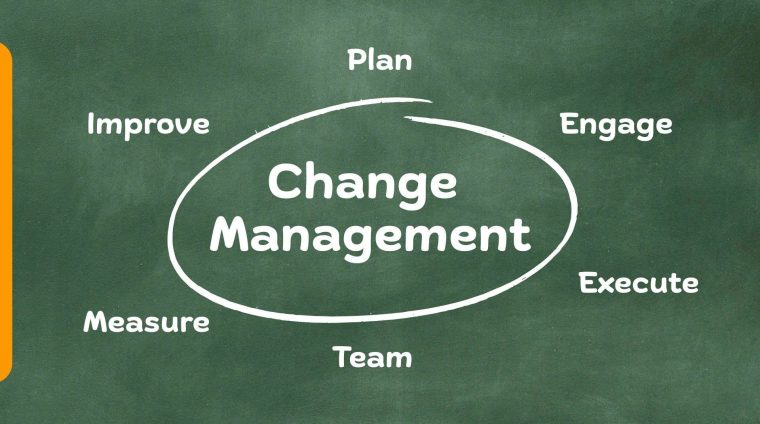
This course equips participants with the knowledge and practical skills required to manage organizational change effectively from a human resource perspective. It focuses on change management frameworks, employee transition, communication strategies, resistance management, organizational culture, and HR’s role in driving transformation. Participants will learn how to lead people through change while minimizing disruption and maximizing adoption.
Target Groups
- Human resource managers and officers
- Organizational development professionals
- Change management specialists
- Business executives and senior managers
- Team leaders and supervisors
- Project and program managers
- Public sector HR practitioners
- Students pursuing human resource management or business administration
Course Objectives
By the end of this course, participants will be able to:
- Understand principles of change management in HR
- Apply change management models and frameworks
- Assess organizational readiness for change
- Manage employee resistance to change
- Develop effective communication strategies for change
- Support leadership during transformation processes
- Align HR systems with organizational change
- Strengthen employee engagement during transitions
- Facilitate smooth adoption of new processes and systems
- Evaluate the success of change initiatives
Course Modules
Module 1: Introduction to Change Management
- Definition and importance of change management
- Types of organizational change
- Role of HR in change processes
- Benefits and challenges of change
- Overview of change management lifecycle
Module 2: Change Management Models and Frameworks
- Lewin’s change model
- Kotter’s 8-step change model
- ADKAR model
- McKinsey 7S framework
- Comparing change management approaches
Module 3: Organizational Readiness for Change
- Assessing readiness for change
- Identifying change drivers and barriers
- Stakeholder analysis
- Change impact assessment
- Risk assessment in change initiatives
Module 4: Communication in Change Management
- Developing communication strategies
- Communicating vision and objectives
- Managing uncertainty and expectations
- Internal communication channels
- Feedback and engagement systems
Module 5: Managing Resistance to Change
- Causes of resistance to change
- Identifying resistance behaviors
- Strategies to overcome resistance
- Engaging employees in change processes
- Building trust and acceptance
Module 6: Leadership and Change Management
- Role of leadership in change
- Leading by example
- Change leadership styles
- Decision-making during change
- Building change champions
Module 7: HR Systems and Change Integration
- Aligning HR policies with change initiatives
- Workforce planning during change
- Training and development for transition
- Performance management adjustments
- Compensation and reward alignment
Module 8: Employee Engagement During Change
- Maintaining morale during transitions
- Employee involvement strategies
- Recognition and support systems
- Managing stress and uncertainty
- Enhancing adaptability
Module 9: Monitoring and Evaluating Change
- Measuring change success
- Key performance indicators for change
- Feedback collection and analysis
- Continuous improvement in change processes
- Post-change evaluation
Module 10: Capstone Project and Case Studies
- Real-world organizational change scenarios
- Group project: developing a change management plan
- Change simulation exercise
- Case study review of successful and failed transformations
- Emerging trends in agile HR, digital transformation, and AI-enabled change management systems