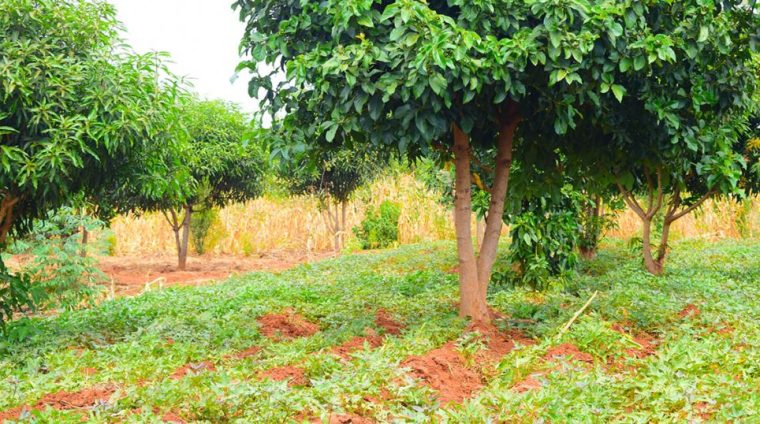
This course equips participants with the knowledge and practical skills required to integrate trees, crops, and livestock systems for sustainable agricultural production. It focuses on agroforestry practices, crop diversification strategies, soil conservation, climate resilience, and income diversification. Participants will learn how to improve land productivity, enhance environmental sustainability, and increase farm resilience through diversified farming systems.
Target Groups
- Farmers and agroforestry practitioners
- Agribusiness entrepreneurs and farm managers
- Agricultural extension officers
- Environmental and conservation practitioners
- NGO and rural development staff
- Students pursuing agriculture, forestry, or environmental studies
Course Objectives
By the end of this course, participants will be able to:
- Understand principles of agroforestry and crop diversification.
- Design integrated agroforestry farming systems.
- Improve soil fertility and conservation using tree-crop systems.
- Apply effective crop diversification strategies.
- Enhance farm resilience to climate change.
- Increase income through diversified production systems.
- Manage tree and crop interactions effectively.
- Promote biodiversity and environmental sustainability.
- Implement sustainable land-use practices.
- Develop profitable integrated farming systems.
Course Modules
Module 1: Introduction to Agroforestry Systems
- Concept and importance of agroforestry
- Types of agroforestry systems
- Benefits of integrating trees and crops
- Global and local agroforestry practices
- Case studies of successful agroforestry systems
Module 2: Principles of Crop Diversification
- Concept of crop diversification
- Benefits of diversified farming systems
- Risks of monocropping
- Planning diversified cropping systems
- Selecting complementary crops
Module 3: Agroforestry System Design & Planning
- Designing integrated farm systems
- Land use planning and zoning
- Spatial arrangement of trees and crops
- Selecting suitable tree species
- Farm layout and management planning
Module 4: Soil Fertility & Conservation in Agroforestry
- Role of trees in soil improvement
- Nitrogen fixation and nutrient cycling
- Soil erosion control methods
- Mulching and organic matter management
- Long-term soil productivity enhancement
Module 5: Tree Management & Silvicultural Practices
- Tree planting and establishment techniques
- Pruning and canopy management
- Tree-crop competition management
- Harvesting tree products sustainably
- Maintaining tree health and productivity
Module 6: Climate Change & Environmental Benefits
- Role of agroforestry in climate adaptation
- Carbon sequestration and environmental impact
- Water conservation in integrated systems
- Biodiversity enhancement
- Resilient farming systems
Module 7: Economic Benefits & Income Diversification
- Multiple income streams from agroforestry
- Market opportunities for tree and crop products
- Value addition and processing
- Cost-benefit analysis of diversified systems
- Improving farm profitability
Module 8: Pest, Disease & Weed Management in Integrated Systems
- Pest dynamics in agroforestry systems
- Biological pest control methods
- Weed suppression through diversification
- Integrated pest management strategies
- Maintaining ecological balance
Module 9: Sustainable Land Use & Farm Management
- Land-use planning for sustainability
- Resource efficiency in diversified systems
- Managing mixed farming enterprises
- Long-term farm productivity strategies
- Policy and institutional support
Module 10: Capstone Project & Case Studies
- Real-world agroforestry system designs
- Group project: developing a diversified farm plan
- Analysis of integrated farming models
- Presentation of sustainability strategies
- Emerging trends in agroforestry and crop diversification