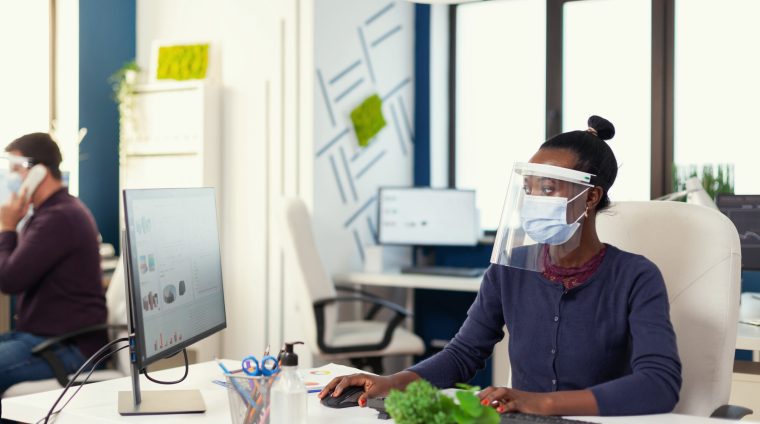
This course equips participants with practical skills to design and maintain safe, comfortable, and efficient work environments by applying ergonomics principles. It focuses on reducing workplace injuries, improving productivity, and preventing musculoskeletal disorders through proper workstation design, posture correction, and task optimization.
Target Groups
Health and safety officers and managers
HR and workplace wellness coordinators
Office workers and administrators
Industrial and manufacturing employees
Facility and operations managers
Occupational health professionals
IT and computer-based workers
Students in occupational health, safety, and related fields
Anyone interested in workplace comfort and injury prevention
Course Objectives
By the end of this course, participants will be able to:
Understand principles of workplace ergonomics
Identify ergonomic risks in different work environments
Assess workstations and tasks for ergonomic issues
Apply ergonomic design principles effectively
Reduce musculoskeletal disorders and workplace injuries
Improve posture and work habits
Enhance productivity through ergonomic improvements
Module 6: Ergonomics in Different Work Environments
Office ergonomics
Industrial and manufacturing ergonomics
Construction site ergonomics
Healthcare ergonomics
Remote and home office ergonomics
Module 7: Ergonomic Assessment and Evaluation
Workplace ergonomic assessments
Risk identification tools
Job task analysis
Measurement of ergonomic risks
Reporting and documentation
Module 8: Injury Prevention and Control
Musculoskeletal disorder prevention
Fatigue management
Ergonomic interventions
Administrative and engineering controls
Personal protective strategies
Module 9: Workplace Wellness and Productivity
Relationship between ergonomics and productivity
Employee wellness programs
Stress reduction techniques
Work-life balance strategies
Organizational benefits of ergonomics
Module 10: Capstone Project and Case Studies
Ergonomic workstation assessment project
Workplace redesign proposal
Case studies of ergonomic injury prevention
Practical ergonomic improvement plan
Emerging trends in ergonomics, smart ergonomic devices, AI-driven posture monitoring systems, wearable health sensors, and digital workplace wellness technologies
We use cookies to improve your experience, including essential cookies required for the website to function. By continuing, you agree to our use of cookies.
Customise Consent Preferences
We use cookies to help you navigate efficiently and perform certain functions. You will find detailed information about all cookies under each consent category below.
+
Necessary Always Active
Necessary cookies are required to enable the basic features of this site, such as providing secure log-in or adjusting your consent preferences. These cookies do not store any personally identifiable data.
No Cookie to display
+
Analytics
Analytical cookies are used to understand how visitors interact with the website. These cookies help provide information on metrics such as the number of visitors, bounce rate, traffic source, etc.
No Cookie to display
+
Advertising
Advertisement cookies are used to provide visitors with customised advertisements based on the pages you visited previously and to analyse the effectiveness of the ad campaigns.
No Cookie to display
+
Functional
Functional cookies help perform certain functionalities like sharing the content of the website on social media platforms, collecting feedback, and other third-party features.
We use cookies to improve your experience, including essential cookies required for the website to function. By continuing, you agree to our use of cookies.
Customise Consent Preferences
We use cookies to help you navigate efficiently and perform certain functions. You will find detailed information about all cookies under each consent category below.
+
Necessary Always Active
Necessary cookies are required to enable the basic features of this site, such as providing secure log-in or adjusting your consent preferences. These cookies do not store any personally identifiable data.
No Cookie to display
+
Analytics
Analytical cookies are used to understand how visitors interact with the website. These cookies help provide information on metrics such as the number of visitors, bounce rate, traffic source, etc.
No Cookie to display
+
Advertising
Advertisement cookies are used to provide visitors with customised advertisements based on the pages you visited previously and to analyse the effectiveness of the ad campaigns.
No Cookie to display
+
Functional
Functional cookies help perform certain functionalities like sharing the content of the website on social media platforms, collecting feedback, and other third-party features.