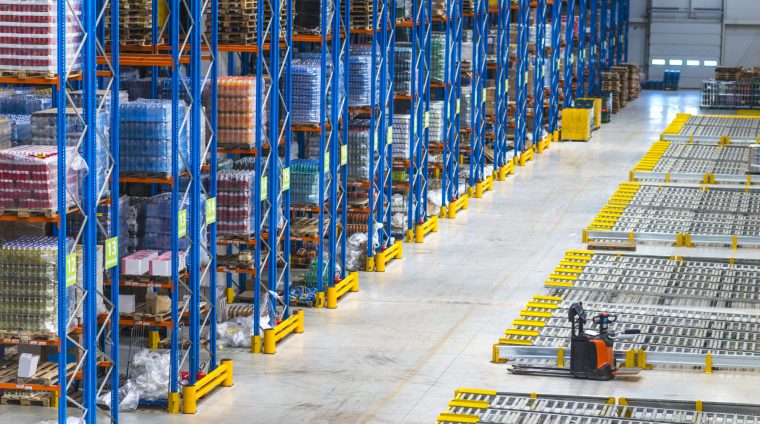
This course equips participants with advanced knowledge and practical skills required to identify, assess, and mitigate risks across transportation, logistics, and the broader supply chain. It focuses on disruption management, transport safety risks, supply chain vulnerabilities, customs and compliance risks, supplier risks, and resilience planning. Participants will learn how to build robust, risk-aware logistics systems that ensure continuity, efficiency, and reliability of operations.
Target Groups
- Supply chain and logistics managers
- Transport and fleet managers
- Procurement and operations officers
- Freight and distribution coordinators
- Risk and compliance officers
- Warehouse and inventory managers
- Project and program managers
- Government and NGO logistics staff
- Customs and clearing agents
- Students in logistics, supply chain, and business management
Course Objectives
By the end of this course, participants will be able to:
- Understand principles of logistics and supply chain risk management
- Identify risks across transport, warehousing, and supply networks
- Assess and prioritize logistics and supply chain risks
- Develop risk mitigation and contingency strategies
- Improve resilience in transportation and distribution systems
- Manage compliance and regulatory risks effectively
- Strengthen supplier and logistics partner reliability
- Implement risk monitoring and early warning systems
- Enhance decision-making under uncertainty
- Build resilient and adaptive supply chain operations
Course Modules
Module 1: Introduction to Supply Chain Risk Management
- Definition and scope of supply chain risk
- Relationship between logistics, transport, and supply chain risk
- Types of risks in supply chains
- Risk management lifecycle
- Overview of resilience concepts
Module 2: Transportation Risk Management
- Road, air, sea, and rail transport risks
- Route disruption and delay risks
- Fuel, cost, and capacity risks
- Driver safety and operational risks
- Transport security risks
Module 3: Logistics Operations Risk Assessment
- Warehouse and distribution risks
- Handling and storage risks
- Order fulfillment risks
- Equipment and infrastructure risks
- Operational inefficiencies and bottlenecks
Module 4: Supply Chain Disruption Risks
- Natural disasters and climate risks
- Geopolitical and economic disruptions
- Pandemics and global crises
- Supplier failure and dependency risks
- Demand and supply volatility
Module 5: Customs, Compliance & Regulatory Risks
- Import/export compliance risks
- Customs clearance delays and penalties
- Documentation and legal risks
- Trade regulation changes
- International logistics compliance
Module 6: Risk Assessment Techniques
- Risk identification tools
- Risk matrices and heat maps
- Qualitative and quantitative analysis
- Scenario and sensitivity analysis
- Risk prioritization frameworks
Module 7: Risk Mitigation Strategies
- Diversification of suppliers and routes
- Buffer stock and redundancy planning
- Insurance and risk transfer mechanisms
- Contractual risk allocation
- Business continuity planning
Module 8: Supply Chain Resilience Planning
- Building resilient logistics systems
- Crisis response and recovery planning
- Alternative sourcing and routing strategies
- Agile supply chain design
- Recovery time optimization
Module 9: Risk Monitoring and Control Systems
- Key Risk Indicators (KRIs)
- Real-time tracking systems
- Supply chain dashboards and alerts
- Incident reporting systems
- Continuous monitoring and review
Module 10: Emerging Trends in Supply Chain Risk Management
- AI and predictive risk analytics
- Digital twins in logistics and supply chains
- Blockchain for transparency and traceability
- IoT-enabled risk monitoring
- Future trends in global resilient supply chain systems