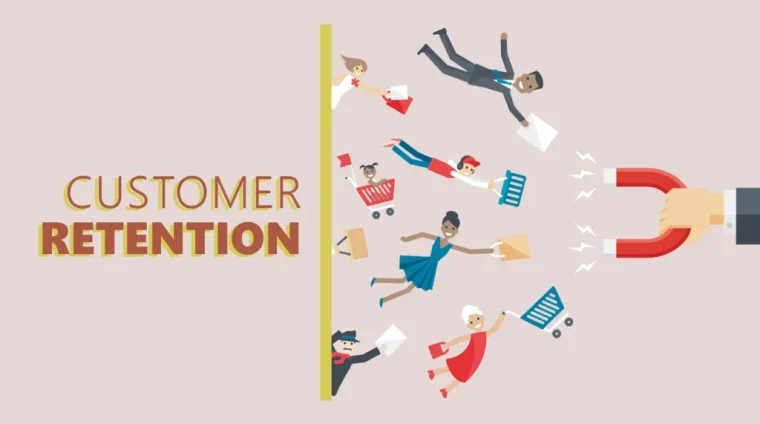
This course equips participants with the knowledge and practical skills required to effectively recover from service failures and retain customers through structured recovery strategies. It focuses on identifying service breakdowns, responding to complaints, rebuilding trust, and implementing retention techniques that enhance customer loyalty. Participants will learn how to turn negative customer experiences into opportunities for stronger relationships and long-term business value.
Target Groups
- Customer service and support teams
- Call center and contact center agents
- Front office and reception staff
- Sales and account managers
- Quality assurance professionals
- Operations and service managers
- Business owners and entrepreneurs
- Students pursuing business or customer service careers
Course Objectives
By the end of this course, participants will be able to:
- Understand principles of service recovery and customer retention
- Identify service failures and their root causes
- Apply effective service recovery strategies
- Rebuild trust after customer dissatisfaction
- Retain customers through structured engagement techniques
- Handle complaints professionally and efficiently
- Improve customer satisfaction after service failure
- Use communication to restore customer confidence
- Implement retention-focused service practices
- Strengthen long-term customer relationships
Course Modules
Module 1: Introduction to Service Recovery
- Definition and importance of service recovery
- Types of service failures
- Impact of poor service on customer retention
- Relationship between recovery and loyalty
- Role of employees in service recovery
Module 2: Understanding Service Failures
- Identifying common service breakdowns
- Human, process, and system-related failures
- Customer perception of service failure
- Root cause analysis basics
- Preventable vs unavoidable failures
Module 3: Principles of Effective Service Recovery
- Service recovery paradox
- Speed and responsiveness in recovery
- Fairness and transparency principles
- Ownership and accountability
- Customer-centric recovery approach
Module 4: Communication in Service Recovery
- Apologizing effectively
- Acknowledging customer concerns
- Managing tone and language
- Active listening techniques
- Providing clear explanations
Module 5: Complaint Handling and Resolution
- Structured complaint handling process
- Investigating service issues
- Offering solutions and alternatives
- Managing expectations during recovery
- Closing complaints effectively
Module 6: Customer Retention Fundamentals
- Understanding customer loyalty drivers
- Retention vs acquisition strategies
- Customer lifetime value importance
- Identifying at-risk customers
- Retention psychology basics
Module 7: Retention Techniques and Strategies
- Personalized customer engagement
- Loyalty and reward strategies
- Proactive customer communication
- Follow-up and check-in systems
- Upselling and cross-selling after recovery
Module 8: Building Trust After Service Failure
- Trust rebuilding techniques
- Consistency in service delivery
- Transparency in communication
- Managing emotional responses
- Long-term relationship rebuilding
Module 9: Measuring Recovery and Retention Success
- Key performance indicators (KPIs)
- Customer satisfaction after recovery
- Retention rate measurement
- Feedback analysis post-recovery
- Continuous improvement strategies
Module 10: Capstone Project and Case Studies
- Real-world service recovery scenarios
- Role-play exercises in complaint resolution
- Group project: designing a recovery strategy
- Customer retention improvement planning
- Emerging trends in service recovery and loyalty management