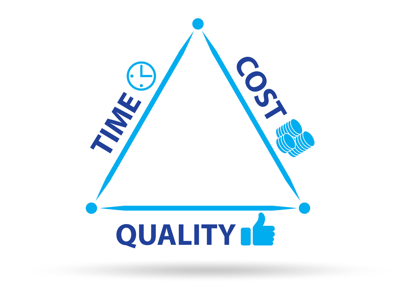
This course equips participants with the knowledge and practical skills required to define, manage, and control project scope and time effectively across different project environments. It focuses on scope definition, work breakdown structures (WBS), scheduling techniques, time estimation, resource allocation, and schedule control. Participants will learn how to prevent scope creep, optimize timelines, and ensure timely project delivery within approved scope and constraints.
Target Groups
- Project managers and coordinators
- Monitoring and Evaluation (M&E) officers
- Program and operations managers
- NGO and development practitioners
- Government and public sector officers
- Donor and implementing agency staff
- Project planners and schedulers
- Engineers and technical project teams
- Students in project management, business, or engineering
Course Objectives
By the end of this course, participants will be able to:
- Understand principles of project scope and time management
- Define and control project scope effectively
- Develop Work Breakdown Structures (WBS)
- Estimate activity durations and resources accurately
- Develop realistic project schedules
- Apply time management tools and techniques
- Prevent and manage scope creep
- Monitor and control project timelines
- Improve project delivery efficiency
- Align scope, schedule, and resources effectively
Course Modules
Module 1: Introduction to Project Scope and Time Management
- Definition of scope and time management
- Importance in project success
- Relationship between scope, cost, and schedule
- Overview of project constraints
- Common challenges in scope and time control
Module 2: Project Scope Management
- Defining project scope clearly
- Scope statement development
- Requirements gathering techniques
- Scope validation and approval
- Scope control processes
Module 3: Work Breakdown Structure (WBS)
- Introduction to WBS concept
- Breaking down project deliverables
- WBS structure and hierarchy
- WBS dictionary development
- Using WBS for planning and control
Module 4: Scope Creep Management
- Definition and causes of scope creep
- Identifying scope changes
- Change control processes
- Managing stakeholder expectations
- Preventing uncontrolled scope expansion
Module 5: Activity Definition and Sequencing
- Identifying project activities
- Activity dependencies and relationships
- Sequencing techniques (FS, SS, FF, SF)
- Network diagrams
- Critical path identification basics
Module 6: Time Estimation Techniques
- Expert judgment and historical data
- Three-point estimation technique
- Analogous and parametric estimation
- Estimating resource requirements
- Improving estimation accuracy
Module 7: Project Scheduling Techniques
- Gantt charts and timelines
- Critical Path Method (CPM)
- Program Evaluation Review Technique (PERT)
- Scheduling software tools overview
- Baseline schedule development
Module 8: Resource Allocation and Time Optimization
- Resource planning and allocation
- Balancing workload across tasks
- Resource leveling and smoothing
- Managing constraints in scheduling
- Optimizing project timelines
Module 9: Schedule Monitoring and Control
- Tracking project progress against schedule
- Variance analysis (planned vs actual)
- Schedule performance indicators
- Corrective and preventive actions
- Updating and revising schedules
Module 10: Capstone Project and Case Studies
- Real-world project scope and time management scenarios
- Group project: developing a full WBS and project schedule
- Case studies of successful and failed project scheduling
- Simulation of scope change and schedule adjustment
- Emerging trends in project time management, AI-assisted scheduling, predictive planning tools, and real-time project tracking systems