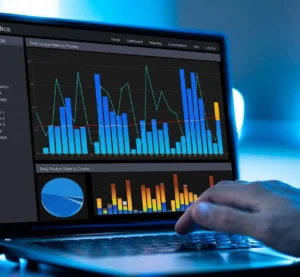
This course trains participants to use predictive analytics for improving organizational performance across departments. It emphasizes building forecasting models, monitoring KPIs, and applying insights to optimize operations, productivity, and strategic outcomes.
Target Groups
- Executives and performance managers
- Business analysts and data scientists
- Finance, HR, and operations leaders
- Consultants in organizational development
- Corporate strategy professionals
- MBA and executive students
Course Objectives
By the end of this course, participants will be able to:
- Understand the role of predictive analytics in performance management.
- Build forecasting models for productivity and efficiency.
- Use analytics for employee, financial, and operational performance.
- Develop dashboards to monitor organizational KPIs.
- Apply scenario modeling to improve outcomes.
- Strengthen resilience and agility through predictive insights.
- Align predictive models with strategy and governance.
- Apply ethical practices in performance analytics.
Course Modules
Module 1: Introduction to Predictive Analytics for Performance
- Role of predictive analytics in performance improvement
- Linking analytics to organizational KPIs
- Benefits and challenges in adoption
- Data-driven decision-making frameworks
Module 2: Data Foundations for Performance Analytics
- Sources of organizational performance data
- Data integration across HR, finance, and operations
- Ensuring quality and accuracy in performance data
- Overcoming silos in performance datasets
Module 3: Forecasting Organizational Performance
- Predictive models for employee productivity
- Sales and revenue forecasting
- Forecasting operational efficiency
- Linking forecasts to strategy
Module 4: Performance Dashboards and KPIs
- Key KPIs for organizational success
- Dashboard design for performance monitoring
- Real-time performance tracking tools
- Customizing dashboards for leadership
Module 5: Predictive HR and Workforce Analytics
- Employee turnover prediction models
- Retention and engagement analytics
- Workforce productivity forecasting
- Linking HR analytics to strategy
Module 6: Financial Performance Forecasting
- Predictive models for revenue growth
- Cash flow and liquidity forecasting
- Linking forecasts to corporate finance strategies
- BI dashboards for financial performance
Module 7: Operations and Productivity Optimization
- Predictive analytics in operational efficiency
- Scenario modeling for production and logistics
- Cost optimization strategies with BI
- Real-world examples of performance analytics
Module 8: Risk and Resilience in Performance Analytics
- Identifying risks to performance outcomes
- Predictive early warning indicators
- Scenario planning for organizational resilience
- Linking analytics to business continuity
Module 9: Tools and Technology for Performance Analytics
- BI and predictive tools (Power BI, SAS, R, Python)
- AI in performance forecasting
- Cloud-based analytics platforms
- Future of predictive analytics for performance
Module 10: Case Studies and Applications
- Real-world performance analytics case studies
- Industry-specific applications (retail, healthcare, services)
- Hands-on predictive modeling exercises
- Best practices for organizational performance forecasting