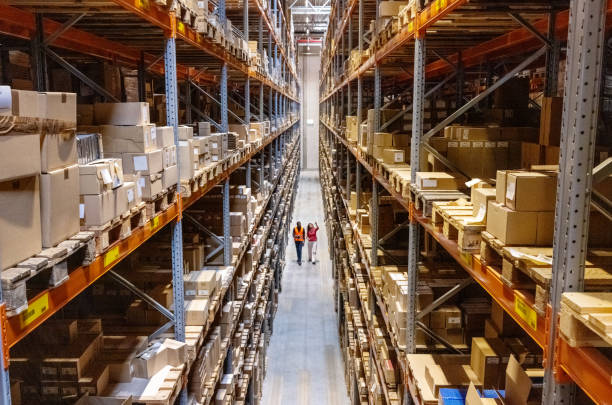
This course equips participants with the knowledge and practical skills required to apply lean principles in warehouse and inventory management. It focuses on eliminating waste, improving efficiency, optimizing storage systems, and enhancing inventory accuracy. Participants will learn how to streamline warehouse operations, reduce costs, improve service levels, and create a culture of continuous improvement using lean methodologies.
Target Groups
- Warehouse and store managers
- Inventory and stock control officers
- Supply chain and logistics managers
- Procurement and operations staff
- Distribution and fulfillment supervisors
- Manufacturing and production planners
- Government and NGO logistics personnel
- Retail and wholesale managers
- Quality assurance and process improvement staff
- Students in logistics, supply chain, and operations management
Course Objectives
By the end of this course, participants will be able to:
- Understand lean principles in warehouse operations
- Identify and eliminate waste in inventory processes
- Improve warehouse layout and workflow efficiency
- Enhance inventory accuracy and control
- Optimize stock levels and storage systems
- Apply continuous improvement techniques
- Improve order fulfillment speed and accuracy
- Reduce operational and inventory costs
- Implement lean tools and techniques
- Foster a culture of operational excellence
Course Modules
Module 1: Introduction to Lean Warehouse Management
- Principles of lean thinking
- Lean vs traditional warehouse management
- Types of waste in warehouse operations
- Value stream concepts
- Benefits of lean implementation
Module 2: Warehouse Processes and Waste Identification
- Receiving, storage, picking, and dispatch processes
- Identifying non-value-adding activities
- Process mapping and analysis
- Bottleneck identification
- Waste reduction strategies
Module 3: Warehouse Layout and Workflow Optimization
- Efficient warehouse layout design
- Flow optimization techniques
- Slotting and storage strategies
- Minimizing travel time and movement
- Space utilization improvement
Module 4: Inventory Control and Accuracy
- Inventory tracking methods
- Cycle counting and stock audits
- Reducing discrepancies and errors
- Inventory visibility and control systems
- Accuracy improvement techniques
Module 5: Lean Tools and Techniques
- 5S methodology
- Kaizen (continuous improvement)
- Just-in-Time (JIT)
- Kanban systems
- Standard operating procedures (SOPs)
Module 6: Order Fulfillment Optimization
- Picking methods (batch, zone, wave picking)
- Packing and dispatch efficiency
- Reducing order processing time
- Improving accuracy in order fulfillment
- Customer service in warehouse operations
Module 7: Performance Measurement and KPIs
- Warehouse performance metrics
- Inventory turnover and accuracy KPIs
- Productivity and efficiency indicators
- Monitoring and reporting systems
- Continuous performance improvement
Module 8: Technology in Lean Warehousing
- Warehouse Management Systems (WMS)
- Automation and robotics in warehouses
- Barcode and RFID systems
- Digital tracking and monitoring tools
- Integration with supply chain systems
Module 9: Safety and Risk Management
- Workplace safety in warehouses
- Hazard identification and control
- Safe handling of goods and equipment
- Emergency preparedness
- Compliance with safety standards
Module 10: Sustaining Lean and Continuous Improvement
- Building a lean culture
- Employee engagement and training
- Change management in lean implementation
- Continuous improvement frameworks
- Future trends in lean warehouse management