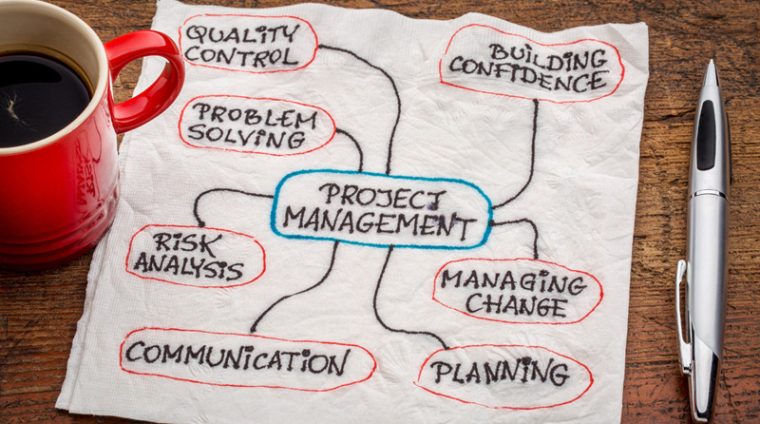
This course equips participants with the knowledge and practical skills required to plan, execute, monitor, and successfully deliver IT projects. It focuses on project management methodologies, scope definition, scheduling, budgeting, risk management, stakeholder engagement, and quality control within IT environments. Participants will learn how to manage complex technology projects effectively while balancing time, cost, scope, and quality constraints.
Target Groups
- IT project managers and coordinators
- Software development team leads
- Systems analysts and business analysts
- IT managers and department heads
- DevOps and infrastructure teams
- Product managers and solution architects
- Students in IT, computer science, or project management
- Professionals transitioning into IT project roles
Course Objectives
By the end of this course, participants will be able to:
- Understand IT project management principles and frameworks
- Define project scope, goals, and deliverables clearly
- Develop project plans, schedules, and budgets
- Apply Agile, Waterfall, and hybrid methodologies
- Manage project risks and uncertainties effectively
- Coordinate project teams and stakeholders
- Monitor project progress using KPIs and tools
- Ensure quality delivery of IT projects
- Manage changes in project scope and requirements
- Successfully close and evaluate IT projects
Course Modules
Module 1: Introduction to IT Project Management
- Overview of project management in IT
- Project life cycle and phases
- Roles and responsibilities of project managers
- IT project environments and challenges
- Introduction to project management frameworks
Module 2: Project Initiation and Planning
- Defining project scope and objectives
- Feasibility studies and business case development
- Stakeholder identification and analysis
- Project charter development
- Work breakdown structure (WBS)
Module 3: Project Scheduling and Resource Planning
- Project scheduling techniques
- Gantt charts and network diagrams
- Resource allocation and management
- Time estimation techniques
- Critical path method (CPM)
Module 4: Budgeting and Cost Management
- Project cost estimation methods
- Budget development and control
- Cost tracking and reporting
- Managing financial constraints
- Cost-benefit analysis
Module 5: Agile and Traditional Methodologies
- Waterfall project management model
- Agile principles and Scrum framework
- Kanban and iterative approaches
- Hybrid project management models
- Selecting the right methodology
Module 6: Risk Management in IT Projects
- Identifying project risks
- Risk assessment and prioritization
- Risk mitigation strategies
- Contingency planning
- Monitoring and controlling risks
Module 7: Project Execution and Team Management
- Managing project teams effectively
- Leadership and communication skills
- Task delegation and coordination
- Conflict resolution in teams
- Motivating project stakeholders
Module 8: Quality Assurance and Control
- Quality planning in IT projects
- Quality assurance vs quality control
- Testing and validation processes
- Standards and compliance in IT projects
- Continuous improvement practices
Module 9: Monitoring, Reporting, and Change Management
- Tracking project progress and performance
- Project reporting tools and dashboards
- Managing scope changes effectively
- Change control processes
- Performance measurement (KPIs)
Module 10: Project Closure and Evaluation
- Project completion procedures
- Deliverable acceptance and sign-off
- Post-project evaluation and lessons learned
- Documentation and reporting
- Emerging trends in IT project management, AI-driven project tracking, remote team collaboration tools, and digital transformation project frameworks