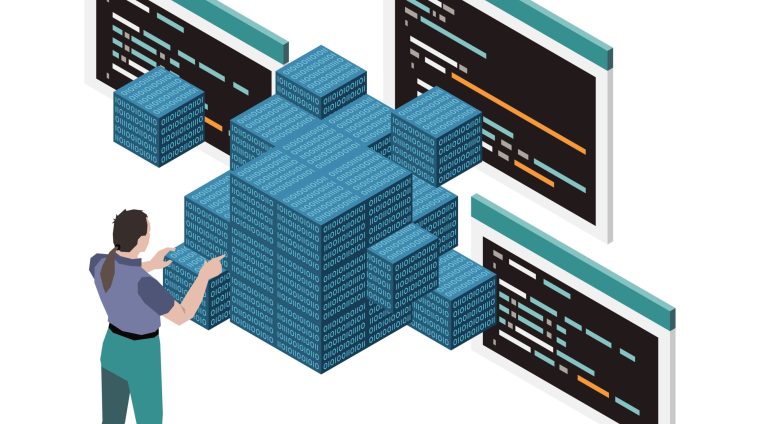
This course equips participants with practical skills to design, manage, and optimize hybrid cloud environments that combine on-premises infrastructure with public cloud platforms. It focuses on integration, workload portability, security, and governance across environments such as Amazon Web Services, Microsoft Azure, and Google Cloud. Participants will learn how to build seamless, secure, and scalable hybrid cloud systems.
Target Groups
Cloud engineers and DevOps professionals
IT infrastructure and system administrators
Cloud architects and solution designers
Network engineers and system integrators
Enterprise IT managers and CTOs
Security and compliance officers
Data center managers
Students in IT and computer science
Anyone managing hybrid or multi-cloud environments
Course Objectives
By the end of this course, participants will be able to:
Understand hybrid cloud architecture and concepts
Integrate on-premises systems with cloud platforms
Manage workloads across hybrid environments
Design secure and scalable hybrid solutions
Implement networking and connectivity between systems
Ensure data consistency and portability
Apply governance and compliance controls
Optimize hybrid cloud performance and cost
Monitor and manage distributed infrastructure
Support enterprise hybrid cloud transformation
Course Modules
Module 1: Introduction to Hybrid Cloud
Definition and key concepts
Hybrid vs public vs private cloud
Benefits and challenges of hybrid cloud
Use cases and industry applications
Hybrid cloud architecture overview
Module 2: Hybrid Cloud Architecture Design
Architectural principles
Workload distribution strategies
Integration patterns
Cloud and on-premises interoperability
Design considerations and trade-offs
Module 3: Connectivity and Networking
VPN and secure connections
Direct cloud connectivity solutions
Network configuration and routing
Latency and bandwidth optimization
Hybrid network security
Module 4: Workload Management
Workload placement strategies
Application portability
Container and VM migration
Load balancing across environments
Resource scheduling and optimization
Module 5: Data Management in Hybrid Cloud
Data synchronization strategies
Storage integration across environments
Data replication and consistency
Backup and disaster recovery
Data governance and compliance
Module 6: Security in Hybrid Cloud
Identity and access management
Encryption and key management
Unified security policies
Threat detection and response
Compliance frameworks
Module 7: Cloud Integration Tools and Platforms
Hybrid cloud management tools
API and middleware integration
Automation and orchestration tools
Monitoring and management platforms
Tool selection and deployment
Module 8: Monitoring and Performance Management
Unified monitoring strategies
Performance tracking across environments
Logging and observability
Incident detection and response
Optimization techniques
Module 9: Cost and Governance Management
Cost allocation in hybrid environments
Governance frameworks
Resource tagging and tracking
Policy enforcement
Financial optimization strategies
Module 10: Capstone Project and Case Studies
Real-world hybrid cloud implementations
Group project: designing and managing a hybrid cloud solution
Simulation of workload migration and integration
Performance and security evaluation
Emerging trends in hybrid cloud, edge computing, AI-driven orchestration, multi-cloud strategies, and unified cloud management platforms
We use cookies to improve your experience, including essential cookies required for the website to function. By continuing, you agree to our use of cookies.
Customise Consent Preferences
We use cookies to help you navigate efficiently and perform certain functions. You will find detailed information about all cookies under each consent category below.
+
Necessary Always Active
Necessary cookies are required to enable the basic features of this site, such as providing secure log-in or adjusting your consent preferences. These cookies do not store any personally identifiable data.
No Cookie to display
+
Analytics
Analytical cookies are used to understand how visitors interact with the website. These cookies help provide information on metrics such as the number of visitors, bounce rate, traffic source, etc.
No Cookie to display
+
Advertising
Advertisement cookies are used to provide visitors with customised advertisements based on the pages you visited previously and to analyse the effectiveness of the ad campaigns.
No Cookie to display
+
Functional
Functional cookies help perform certain functionalities like sharing the content of the website on social media platforms, collecting feedback, and other third-party features.
We use cookies to improve your experience, including essential cookies required for the website to function. By continuing, you agree to our use of cookies.
Customise Consent Preferences
We use cookies to help you navigate efficiently and perform certain functions. You will find detailed information about all cookies under each consent category below.
+
Necessary Always Active
Necessary cookies are required to enable the basic features of this site, such as providing secure log-in or adjusting your consent preferences. These cookies do not store any personally identifiable data.
No Cookie to display
+
Analytics
Analytical cookies are used to understand how visitors interact with the website. These cookies help provide information on metrics such as the number of visitors, bounce rate, traffic source, etc.
No Cookie to display
+
Advertising
Advertisement cookies are used to provide visitors with customised advertisements based on the pages you visited previously and to analyse the effectiveness of the ad campaigns.
No Cookie to display
+
Functional
Functional cookies help perform certain functionalities like sharing the content of the website on social media platforms, collecting feedback, and other third-party features.