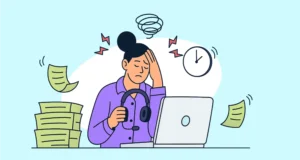
This course equips participants with practical skills and techniques to effectively handle difficult, demanding, or angry customers in professional environments. It focuses on emotional intelligence, conflict resolution, communication strategies, de-escalation techniques, and problem-solving under pressure. Participants will learn how to remain calm, protect brand reputation, and turn challenging customer interactions into positive outcomes.
Target Groups
- Customer service representatives
- Call center and contact center agents
- Front office and reception staff
- Sales and retail professionals
- Hospitality and tourism staff
- Help desk and support teams
- Business owners and entrepreneurs
- Students pursuing customer service or business careers
Course Objectives
By the end of this course, participants will be able to:
- Identify different types of difficult customer behavior
- Apply de-escalation techniques in tense situations
- Communicate effectively under pressure
- Demonstrate emotional control in challenging interactions
- Resolve conflicts professionally and efficiently
- Handle complaints without escalating tension
- Maintain professionalism in all customer situations
- Protect brand reputation during conflicts
- Turn negative interactions into positive experiences
- Improve overall customer satisfaction and retention
Course Modules
Module 1: Understanding Difficult Customers
- Definition of difficult customers
- Common types of difficult behavior
- Causes of customer dissatisfaction
- Customer emotions and triggers
- Impact on business and brand reputation
Module 2: Emotional Intelligence in Customer Handling
- Understanding emotional intelligence
- Self-awareness and emotional control
- Managing stress in service environments
- Developing empathy for customers
- Responding instead of reacting
Module 3: Communication Strategies for Difficult Situations
- Tone and language control
- Active listening techniques
- Choosing the right words under pressure
- Non-verbal communication awareness
- Avoiding escalation triggers
Module 4: De-escalation Techniques
- Calming angry or frustrated customers
- Acknowledging and validating concerns
- Apologizing effectively when needed
- Redirecting conversations constructively
- Diffusing high-tension situations
Module 5: Conflict Resolution Skills
- Identifying root causes of conflict
- Problem-solving approaches
- Finding win-win solutions
- Negotiation techniques in customer service
- Closing interactions positively
Module 6: Handling Complaints Professionally
- Types of customer complaints
- Structured complaint handling process
- Managing unrealistic expectations
- Responding to repeated complaints
- Turning complaints into opportunities
Module 7: Managing Escalations
- When and how to escalate issues
- Internal escalation procedures
- Handling senior-level complaints
- Maintaining professionalism during escalation
- Ensuring customer satisfaction after escalation
Module 8: Maintaining Professionalism Under Pressure
- Staying calm in hostile situations
- Managing personal emotions
- Maintaining brand image
- Avoiding defensive behavior
- Building resilience in customer service
Module 9: Turning Difficult Customers into Loyal Customers
- Building trust after conflict
- Recovery strategies in customer experience
- Service recovery principles
- Follow-up communication techniques
- Strengthening long-term relationships
Module 10: Capstone Project and Case Studies
- Real-life difficult customer scenarios
- Role-play simulations and exercises
- Group analysis of conflict cases
- Designing resolution strategies
- Review of best practices in handling challenging customers