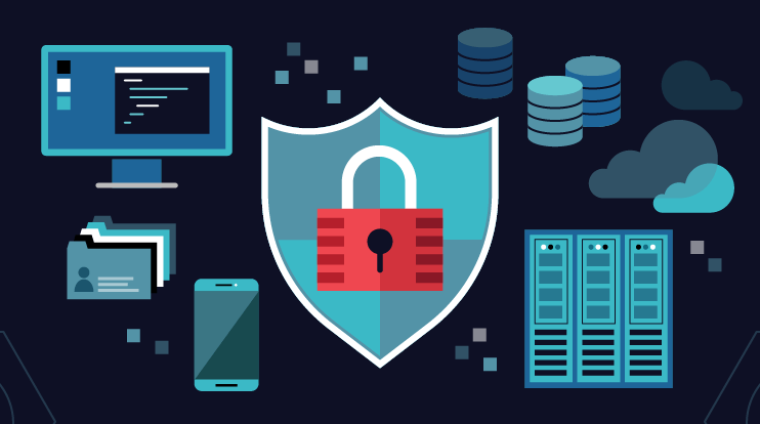
This course equips participants with the knowledge and practical skills required to secure endpoints and protect systems from malware and cyber threats. It focuses on endpoint security principles, malware types and behaviors, detection and prevention techniques, security tools, incident response, and best practices for safeguarding organizational devices. Participants will learn how to reduce security risks, protect sensitive data, and maintain a secure IT environment.
Target Groups
- IT support and help desk staff
- Cybersecurity professionals and analysts
- System administrators and network engineers
- Security operations center (SOC) teams
- Software and infrastructure developers
- Compliance and risk management officers
- Business owners and entrepreneurs
- Students pursuing IT or cybersecurity careers
Course Objectives
By the end of this course, participants will be able to:
- Understand principles of endpoint security
- Identify different types of malware and cyber threats
- Implement endpoint protection strategies
- Use antivirus and anti-malware tools effectively
- Detect and respond to security incidents
- Secure devices and organizational endpoints
- Apply cybersecurity best practices
- Reduce vulnerability to malware attacks
- Monitor endpoint activity for threats
- Strengthen overall organizational cybersecurity posture
Course Modules
Module 1: Introduction to Endpoint Security
- Definition and importance of endpoint security
- Types of endpoints (laptops, desktops, mobile devices, servers)
- Common security risks and vulnerabilities
- Role of endpoint security in cybersecurity
- Overview of security architecture
Module 2: Understanding Malware
- Definition and types of malware
- Viruses, worms, trojans, ransomware, spyware
- Malware behavior and attack methods
- Malware delivery mechanisms
- Impact of malware on systems and networks
Module 3: Endpoint Protection Technologies
- Antivirus and anti-malware solutions
- Endpoint detection and response (EDR) tools
- Firewalls and intrusion prevention systems
- Device encryption and access controls
- Security patch management
Module 4: Threat Detection and Monitoring
- Real-time threat monitoring
- Behavioral analysis techniques
- Log analysis and alerts
- Identifying suspicious activity
- Security information and event management (SIEM) basics
Module 5: Malware Prevention Strategies
- Safe browsing and email practices
- Download and installation security
- Patch and update management
- Application control and whitelisting
- User awareness and training
Module 6: Incident Response and Recovery
- Identifying security incidents
- Containment and isolation strategies
- Malware removal procedures
- System recovery and restoration
- Post-incident analysis
Module 7: Endpoint Security Policies and Compliance
- Developing security policies
- Access control and authentication
- Regulatory compliance requirements
- Data protection standards
- Organizational security governance
Module 8: Network and Device Security Integration
- Securing endpoints within networks
- VPN and remote access security
- Mobile device management (MDM)
- Cloud endpoint security considerations
- Securing hybrid environments
Module 9: Advanced Threats and Defense Techniques
- Zero-day vulnerabilities
- Advanced persistent threats (APT)
- Phishing and social engineering attacks
- Threat intelligence and analysis
- Proactive defense strategies
Module 10: Capstone Project and Case Studies
- Real-world endpoint security scenarios
- Malware attack simulation exercises
- Group project: designing endpoint security strategy
- Incident response case study analysis
- Emerging trends in endpoint security and malware protection