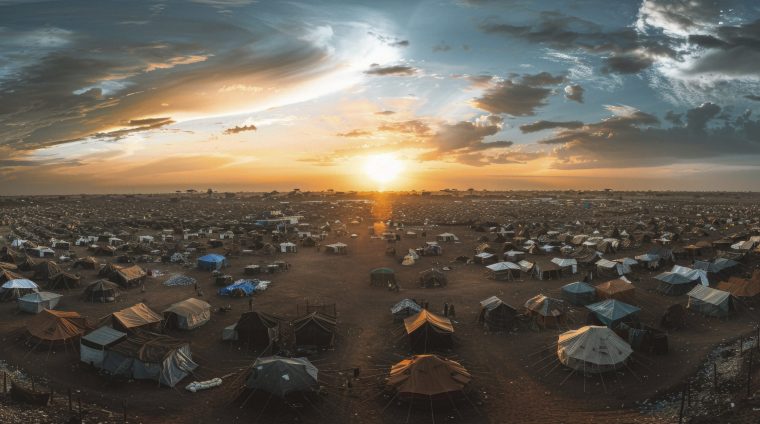
This course equips participants with practical skills to manage post-disaster recovery and long-term rehabilitation processes. It focuses on restoring infrastructure, livelihoods, social systems, and community resilience after disasters. Participants will learn how to plan recovery programs, coordinate stakeholders, manage resources, and support affected communities in rebuilding sustainably.
Target Groups
- Disaster management officers
- Humanitarian and NGO staff
- Government recovery and planning officials
- Community development practitioners
- Urban and regional planners
- Emergency response coordinators
- Infrastructure and reconstruction engineers
- UN and development agency staff
- Consultants in disaster risk and recovery
- Students in disaster management, development studies, and social sciences
Course Objectives
By the end of this course, participants will be able to:
- Understand disaster recovery and rehabilitation concepts
- Plan and implement post-disaster recovery programs
- Coordinate multi-stakeholder rehabilitation efforts
- Restore infrastructure and essential services
- Support livelihood recovery in affected communities
- Apply resilience-building approaches in recovery
- Manage recovery resources effectively and transparently
- Integrate risk reduction into rehabilitation planning
- Strengthen community participation in recovery processes
- Ensure sustainable and inclusive recovery outcomes
Course Modules
Module 1: Introduction to Disaster Recovery and Rehabilitation
- Definitions of recovery and rehabilitation
- Phases of disaster management cycle
- Difference between relief, recovery, and reconstruction
- Importance of long-term recovery planning
- Principles of sustainable recovery
Module 2: Post-Disaster Needs Assessment (PDNA)
- Purpose and scope of PDNA
- Damage and loss assessment methods
- Data collection techniques in post-disaster contexts
- Stakeholder involvement in assessments
- Translating needs into recovery plans
Module 3: Recovery Planning and Strategy Development
- Designing recovery frameworks
- Setting recovery goals and priorities
- Developing recovery action plans
- Resource mobilization strategies
- Aligning recovery with national development plans
Module 4: Infrastructure Rehabilitation
- Restoring critical infrastructure (roads, water, energy)
- Housing reconstruction strategies
- Safe building standards and codes
- Infrastructure resilience planning
- Monitoring reconstruction quality
Module 5: Livelihood Restoration
- Economic recovery strategies
- Supporting affected households and businesses
- Cash-based interventions and livelihood grants
- Skills development and employment programs
- Agricultural and rural livelihood recovery
Module 6: Social Recovery and Community Support
- Psychosocial support and community healing
- Restoring education and health services
- Strengthening community cohesion
- Supporting vulnerable groups
- Community participation in recovery
Module 7: Coordination and Resource Management
- Multi-agency coordination in recovery
- Roles of government, NGOs, and donors
- Resource allocation and prioritization
- Transparency and accountability systems
- Managing recovery partnerships
Module 8: Risk Reduction and Resilience Building
- Integrating disaster risk reduction (DRR)
- Building resilient infrastructure and systems
- Climate adaptation in recovery planning
- Early warning system integration
- Sustainable development approaches
Module 9: Monitoring, Evaluation, and Learning in Recovery
- Recovery monitoring frameworks
- Performance indicators for rehabilitation
- Tracking progress and impact
- Learning from recovery processes
- Adaptive management in recovery programs
Module 10: Capstone Project and Case Studies
- Disaster recovery planning simulation project
- Post-disaster rehabilitation case study analysis
- Infrastructure and livelihood recovery exercise
- Community-based recovery design project
- Emerging trends in disaster recovery, climate-resilient rebuilding, AI-driven damage assessment, digital recovery tracking systems, and smart infrastructure rehabilitation models