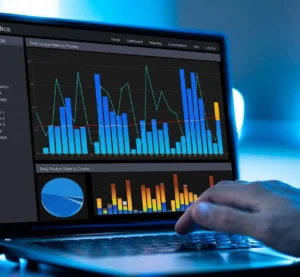
This course equips participants with the skills to leverage data analytics for effective performance monitoring and reporting. It focuses on applying analytical methods and digital tools to track key performance indicators (KPIs), generate actionable insights, and design impactful reports for decision-making. Participants will learn how to use dashboards, predictive models, and visualization techniques to enhance organizational transparency, efficiency, and accountability.
Target Groups
- Finance and accounting professionals
- Business analysts and data scientists
- Performance monitoring and evaluation officers
- Corporate strategists and executives
- Risk and compliance managers
- Consultants in analytics and performance management
- Students pursuing business analytics, finance, or management studies
Course Objectives
By the end of this course, participants will be able to:
- Understand the role of data analytics in performance monitoring.
- Identify, define, and measure organizational KPIs.
- Apply statistical and analytical techniques to performance data.
- Develop dashboards and visualization tools for performance tracking.
- Integrate analytics into corporate reporting processes.
- Generate accurate and timely performance reports for stakeholders.
- Use predictive insights to anticipate performance outcomes.
- Apply best practices in data governance, compliance, and ethical reporting.
Course Modules
Module 1: Introduction to Data Analytics in Performance Monitoring
- Importance of performance measurement in organizations
- Role of data analytics in performance evaluation
- Key performance monitoring frameworks
- Benefits and challenges of analytics-driven reporting
Module 2: Data Foundations for Performance Tracking
- Sources of organizational performance data
- Data cleaning, integration, and governance
- Building reliable performance databases
- Ensuring accuracy, consistency, and security
Module 3: Defining and Measuring Key Performance Indicators (KPIs)
- Selecting relevant KPIs for different functions
- Linking KPIs to strategic objectives
- Designing SMART performance measures
- Benchmarking and comparative analysis
Module 4: Statistical and Analytical Techniques for Performance Evaluation
- Trend analysis and forecasting methods
- Variance and root cause analysis
- Correlation and regression analysis for performance drivers
- Scenario and sensitivity testing
Module 5: Dashboards and Visualization Tools
- Designing executive dashboards
- Data visualization best practices
- Real-time monitoring and alerts
- Tools and software for interactive reporting
Module 6: Predictive Analytics in Performance Monitoring
- Identifying leading indicators of performance
- Predictive models for business performance forecasting
- Early-warning systems for underperformance
- Using AI and machine learning in performance tracking
Module 7: Performance Reporting for Decision Making
- Structuring effective performance reports
- Storytelling with data
- Automating performance reporting processes
- Customizing reports for stakeholders
Module 8: Integrating Analytics into Corporate Reporting
- Linking performance monitoring with financial reporting
- ESG and sustainability performance reporting
- Compliance with IFRS, IPSAS, and regulatory requirements
- Transparency and accountability in reporting
Module 9: Governance, Compliance, and Ethical Considerations
- Ethical use of performance data
- Data privacy and reporting integrity
- Avoiding bias and misrepresentation in analytics
- Governance frameworks for performance monitoring
Module 10: Case Studies and Practical Applications
- Real-world applications of performance analytics
- Industry-specific performance monitoring approaches
- Lessons from organizations using analytics for reporting
- Capstone project: Designing a performance monitoring dashboard and report