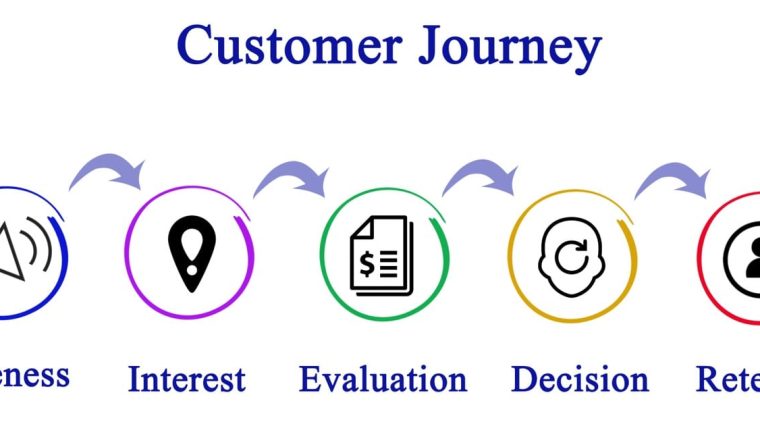
This course equips participants with the knowledge and practical skills required to map, analyze, and optimize the customer journey to enhance overall customer experience. It focuses on identifying customer touchpoints, understanding customer needs and behaviors, designing seamless experiences, and improving engagement across all stages of the customer lifecycle. Participants will learn how to create customer-centric strategies that drive satisfaction, loyalty, and business growth.
Target Groups
- Customer experience and service professionals
- Marketing and brand management teams
- Sales and account management professionals
- Product and service managers
- CRM and data analysts
- Operations and service managers
- Business owners and entrepreneurs
- Students pursuing business, marketing, or customer experience
Course Objectives
By the end of this course, participants will be able to:
- Understand the concept of customer journey mapping
- Identify key customer touchpoints and interactions
- Analyze customer behavior and expectations
- Design customer-centric experiences
- Improve engagement across the customer lifecycle
- Identify pain points and opportunities for improvement
- Use data to enhance customer experience strategies
- Align teams around customer experience goals
- Measure and optimize customer journey performance
- Develop effective customer experience improvement plans
Course Modules
Module 1: Introduction to Customer Journey Mapping
- Definition and importance of customer journey mapping
- Customer experience fundamentals
- Stages of the customer lifecycle
- Benefits of journey mapping
- Role in business strategy
Module 2: Understanding the Customer
- Customer personas and segmentation
- Identifying customer needs and expectations
- Behavioral analysis
- Customer motivations and goals
- Gathering customer insights
Module 3: Identifying Customer Touchpoints
- Mapping all interaction points
- Online and offline touchpoints
- Pre-purchase, purchase, and post-purchase stages
- Customer interaction channels
- Evaluating touchpoint effectiveness
Module 4: Mapping the Customer Journey
- Creating journey maps
- Visualizing customer experiences
- Tools and techniques for mapping
- Aligning journey maps with business processes
- Documenting customer interactions
Module 5: Analyzing Customer Experience
- Identifying pain points and gaps
- Measuring customer satisfaction
- Using feedback and data analysis
- Root cause analysis
- Benchmarking customer experience
Module 6: Designing Customer-Centric Experiences
- Improving customer interactions
- Personalization strategies
- Enhancing engagement across touchpoints
- Creating seamless experiences
- Aligning services with customer needs
Module 7: Cross-Functional Collaboration
- Aligning departments around customer experience
- Breaking down organizational silos
- Communication across teams
- Sharing customer insights
- Coordinating customer experience initiatives
Module 8: Technology and Tools for Journey Mapping
- Customer journey mapping software
- CRM and analytics tools
- Data integration and management
- Visualization and reporting tools
- Enhancing efficiency through technology
Module 9: Measuring and Optimizing the Journey
- Key customer experience metrics
- Monitoring journey performance
- Continuous improvement strategies
- Testing and optimization techniques
- Tracking impact on business outcomes
Module 10: Capstone Project and Case Studies
- Real-world customer journey scenarios
- Group project: creating a journey map
- Experience improvement exercise
- Presentation of customer experience strategies
- Emerging trends in customer journey mapping and experience management