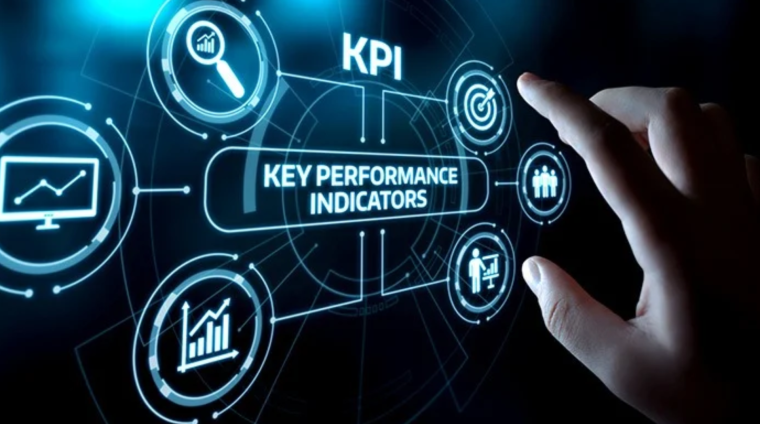
This course equips participants with the knowledge and practical skills required to design, implement, and manage effective business performance monitoring systems using Key Performance Indicators (KPIs). It focuses on performance measurement frameworks, KPI development, dashboard reporting, data analysis, and continuous improvement. Participants will learn how to track organizational performance, align KPIs with strategy, and use data to drive better business decisions.
Target Groups
- Business managers and executives
- Performance management and strategy officers
- Data analysts and business intelligence professionals
- Finance, operations, and marketing professionals
- Project and program managers
- Students pursuing business, management, or analytics
Course Objectives
By the end of this course, participants will be able to:
- Understand principles of performance management and KPIs.
- Develop meaningful and measurable KPIs.
- Align KPIs with organizational strategy and goals.
- Design performance monitoring systems.
- Analyze and interpret performance data.
- Build dashboards for performance tracking.
- Identify performance gaps and improvement areas.
- Support data-driven decision-making.
- Improve organizational efficiency and accountability.
- Foster a culture of continuous performance improvement.
Course Modules
Module 1: Introduction to Performance Management & KPIs
- Definition of performance management
- Importance of KPIs in organizations
- Types of performance indicators
- Strategic alignment of performance measures
- Case studies in performance management
Module 2: KPI Design & Development
- Characteristics of effective KPIs
- SMART KPI framework
- Selecting relevant performance indicators
- Avoiding poor or misleading KPIs
- Linking KPIs to business objectives
Module 3: Performance Measurement Frameworks
- Balanced Scorecard approach
- OKR (Objectives and Key Results) framework
- Input, output, and outcome metrics
- Performance hierarchy structures
- Choosing the right framework
Module 4: Data Collection & Management for KPIs
- Identifying KPI data sources
- Data quality and validation
- Data collection methods and tools
- Managing performance data systems
- Ensuring data accuracy and reliability
Module 5: KPI Monitoring & Reporting Systems
- Designing performance dashboards
- Real-time vs periodic reporting
- Visualization of KPIs
- Automated reporting systems
- Performance reporting best practices
Module 6: Data Analysis for Performance Improvement
- Trend analysis and benchmarking
- Variance analysis techniques
- Root cause analysis
- Identifying performance gaps
- Using insights for improvement
Module 7: Strategic Alignment of KPIs
- Linking KPIs to strategic objectives
- Cascading KPIs across departments
- Aligning individual and organizational goals
- Managing competing priorities
- Ensuring strategic focus
Module 8: Performance Review & Decision Making
- Conducting performance reviews
- Interpreting KPI results
- Making data-driven decisions
- Corrective and preventive actions
- Continuous improvement cycles
Module 9: Advanced KPI Systems & Automation
- KPI automation tools and systems
- Integration with BI platforms
- Predictive performance monitoring
- Alerts and early warning systems
- Enhancing efficiency through automation
Module 10: Capstone Project & Case Studies
- Real-world performance management scenarios
- Group project: designing a KPI framework
- Dashboard development exercise
- Performance analysis and reporting simulation
- Emerging trends in performance monitoring and KPI systems