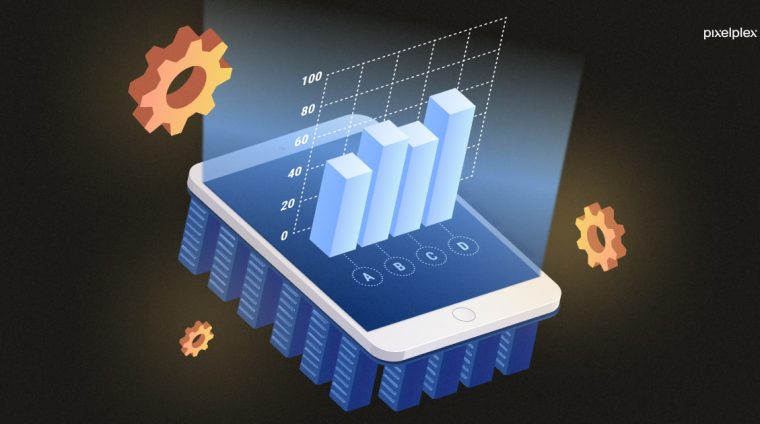
This course equips participants with practical skills to design, develop, and manage enterprise-level Business Intelligence (BI) reporting and analytics systems. It focuses on scalable BI architecture, enterprise data modeling, standardized reporting frameworks, KPI governance, automated dashboards, and cross-functional analytics. Participants will learn how to transform fragmented data into unified enterprise reporting systems that support consistent, accurate, and strategic decision-making across the organization.
Target Groups
- Business intelligence and data analysts
- BI developers and reporting specialists
- Data engineers and analytics architects
- IT and enterprise systems teams
- Finance, operations, and HR analytics teams
- Strategy and performance management professionals
- Public sector and NGO reporting teams
- Enterprise architects and digital transformation teams
- Consultants implementing BI systems
- Senior managers overseeing reporting systems
Course Objectives
By the end of this course, participants will be able to:
- Design enterprise-wide BI reporting systems
- Build scalable dashboards and analytics frameworks
- Integrate data from multiple enterprise systems
- Standardize KPIs across departments
- Improve reporting accuracy and consistency
- Automate enterprise reporting processes
- Support cross-functional decision-making with BI
- Implement governance and compliance in reporting systems
- Optimize BI performance for large-scale data environments
- Enable self-service analytics across the organization
Course Modules
Module 1: Introduction to Enterprise BI Reporting & Analytics
- Role of BI in enterprise decision-making
- Evolution of enterprise reporting systems
- Key components of BI ecosystems
- Centralized vs decentralized reporting models
- Business value of enterprise analytics
Module 2: Enterprise Data Architecture & Integration
- Data warehouses, lakes, and lakehouse architectures
- ETL/ELT pipelines for enterprise systems
- Cloud and hybrid BI environments
- Data integration across business functions
- Scalable architecture design principles
Module 3: Enterprise Data Modeling
- Dimensional modeling for enterprise BI
- Star and snowflake schema design
- Data marts for departmental reporting
- Semantic layers and business definitions
- Ensuring consistency across datasets
Module 4: KPI Standardization & Governance
- Defining enterprise KPIs and metrics
- Aligning KPIs across departments
- KPI governance frameworks
- Data ownership and accountability
- Avoiding KPI duplication and inconsistency
Module 5: Enterprise Reporting Systems Design
- Designing standardized reporting frameworks
- Executive, tactical, and operational reports
- Report lifecycle management
- Cross-functional reporting integration
- Report templates and reuse strategies
Module 6: Advanced Dashboard Development
- Executive and operational dashboards
- Drill-down and drill-through capabilities
- Interactive and dynamic dashboards
- Multi-source dashboard integration
- Designing for scalability and usability
Module 7: Automation of Enterprise Reporting
- Scheduled reporting and refresh cycles
- Automated KPI tracking systems
- Real-time reporting architectures
- Reducing manual reporting processes
- Alert-based reporting systems
Module 8: Data Governance, Security & Compliance
- Enterprise data governance frameworks
- Access control and role-based security
- Data quality and validation standards
- Auditability and compliance reporting
- Data privacy and regulatory alignment
Module 9: BI Tools & Platform Integration
- Power BI, Tableau, and enterprise BI platforms
- Integration with ERP, CRM, and HR systems
- API-based data integration approaches
- Cloud BI deployment strategies
- Self-service BI enablement
Module 10: Capstone Project and Case Studies
- End-to-end enterprise BI reporting system design
- Real-world enterprise analytics case studies
- KPI standardization and dashboard implementation project
- Cross-department reporting simulation exercise
- Emerging trends: AI-driven enterprise BI, autonomous analytics platforms, real-time enterprise intelligence systems, augmented analytics, and intelligent decision-support ecosystems