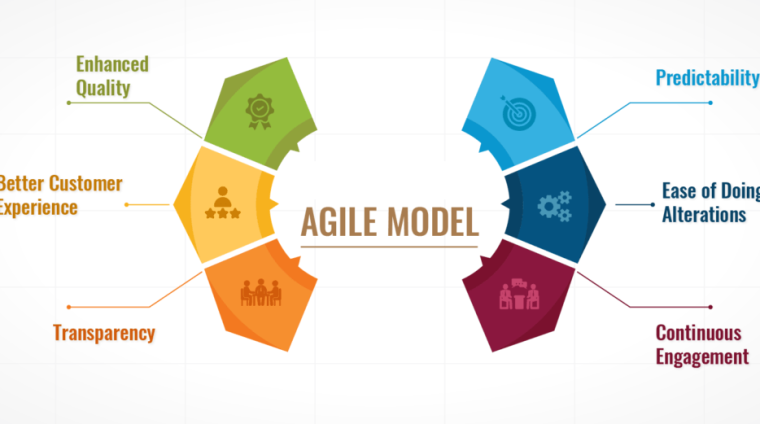
This course equips participants with the knowledge and practical skills required to apply Agile and Lean management principles in projects, teams, and organizational processes. It focuses on improving efficiency, reducing waste, enhancing customer value, and building adaptive, high-performing teams. Participants will learn how to implement iterative delivery models, continuous improvement systems, and value-driven decision-making in dynamic environments.
Target Groups
- Project and program managers
- Team leaders and supervisors
- Product and operations managers
- IT and software development teams
- Business analysts and process improvement specialists
- Students pursuing business, IT, or management studies
Course Objectives
By the end of this course, participants will be able to:
- Understand principles of Agile and Lean management.
- Apply Agile frameworks such as Scrum and Kanban.
- Identify and eliminate process waste using Lean tools.
- Improve team collaboration and productivity.
- Deliver value-driven products and services.
- Manage iterative planning and execution cycles.
- Enhance customer satisfaction through continuous improvement.
- Support organizational agility and adaptability.
- Measure performance using Agile and Lean metrics.
- Lead transformation toward Agile and Lean practices.
Course Modules
Module 1: Introduction to Agile & Lean Management
- Overview of Agile principles and values
- Lean management philosophy and origins
- Differences between Agile and traditional methods
- Benefits of Agile and Lean approaches
- Case studies in Agile transformation
Module 2: Agile Frameworks & Methodologies
- Scrum framework and roles
- Kanban system and workflow management
- Agile project lifecycle
- Sprint planning and execution
- Agile ceremonies and practices
Module 3: Lean Thinking & Waste Reduction
- Lean principles and value creation
- Types of waste in processes
- Value stream mapping
- Continuous flow optimization
- Eliminating inefficiencies
Module 4: Agile Planning & Execution
- Iterative planning techniques
- Backlog creation and prioritization
- Sprint planning and delivery
- Task estimation and tracking
- Adaptive project management
Module 5: Team Collaboration & Performance
- Building high-performing Agile teams
- Roles and responsibilities in teams
- Effective communication in Agile environments
- Conflict resolution and collaboration
- Team motivation and accountability
Module 6: Continuous Improvement (Kaizen)
- Principles of continuous improvement
- Kaizen methodology
- Feedback loops and retrospectives
- Process optimization techniques
- Building a culture of improvement
Module 7: Customer Value & Product Delivery
- Understanding customer needs
- Value-driven product development
- User stories and requirements gathering
- Delivering incremental value
- Enhancing customer satisfaction
Module 8: Agile Metrics & Performance Measurement
- Key Agile performance indicators
- Velocity, throughput, and cycle time
- Measuring team productivity
- Monitoring project progress
- Data-driven decision-making
Module 9: Scaling Agile & Organizational Agility
- Scaling Agile across teams
- Enterprise Agile frameworks overview
- Organizational change for agility
- Leadership in Agile environments
- Managing large-scale Agile transformations
Module 10: Capstone Project & Case Studies
- Real-world Agile and Lean implementation scenarios
- Group project: designing an Agile project plan
- Process improvement and value stream analysis
- Presentation of Agile transformation strategies
- Emerging trends in Agile and Lean management practices