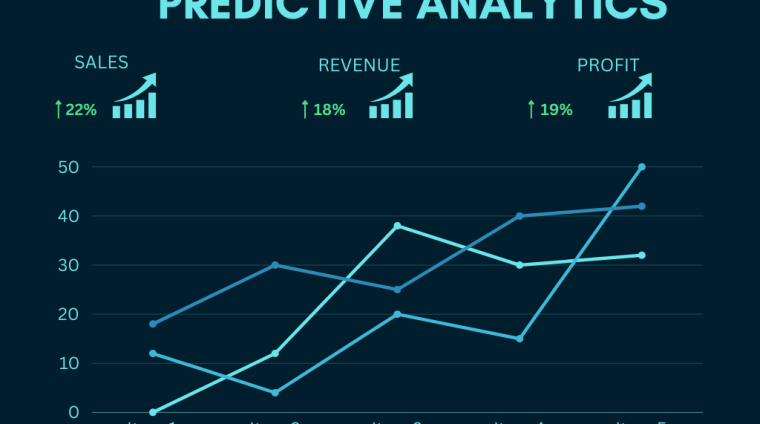
This course equips finance professionals with the tools and methodologies to apply predictive analytics in financial planning, risk management, investment, and operational decision-making. It focuses on using statistical models, machine learning techniques, and financial datasets to forecast trends, detect anomalies, and optimize financial strategies.
Target Groups
- Finance managers and executives
- Financial analysts and planners
- Risk management professionals
- Investment and portfolio managers
- Business and data analysts in finance
- Accountants transitioning into analytics roles
- Students and professionals interested in financial data science
Course Objectives
By the end of this course, participants will be able to:
- Understand predictive analytics concepts in the financial context.
- Apply statistical and machine learning techniques to financial datasets.
- Forecast revenues, expenses, and cash flows.
- Use predictive models for credit risk and fraud detection.
- Optimize investment and portfolio management using analytics.
- Apply scenario and stress testing techniques for risk management.
- Design financial dashboards for predictive insights.
- Integrate predictive analytics into strategic financial decision-making.
Course Modules
Module 1: Introduction to Predictive Analytics in Finance
- Overview of predictive analytics in financial decision-making
- Key use cases in finance: forecasting, risk, fraud, and investments
- Data types and sources in finance (structured & unstructured)
- Tools and technologies for financial analytics
Module 2: Data Preparation and Financial Modelling
- Data cleaning and preprocessing for financial datasets
- Feature engineering for predictive models
- Financial ratios and metrics in predictive modeling
- Handling missing, unstructured, and time-series data
Module 3: Forecasting Techniques for Finance
- Time-series forecasting (ARIMA, exponential smoothing)
- Revenue and expense forecasting models
- Cash flow prediction and liquidity planning
- Stress testing and scenario forecasting
Module 4: Credit Risk and Fraud Detection Models
- Credit scoring models and techniques
- Predictive modeling for loan defaults
- Fraud detection using anomaly detection techniques
- Machine learning in fraud prevention
Module 5: Investment and Portfolio Predictive Analytics
- Predictive models for asset price forecasting
- Portfolio optimization with predictive models
- Risk-adjusted return forecasting
- Machine learning applications in investment strategy
Module 6: Machine Learning Applications in Finance
- Regression, classification, and clustering for finance
- Predictive analytics with Python/R for finance
- Neural networks and deep learning in financial forecasting
- Case applications: stock market predictions, risk scoring
Module 7: Risk Management & Stress Testing
- Predictive modeling in enterprise risk management
- Scenario analysis for financial stability
- Liquidity and credit risk forecasting
- Compliance and regulatory perspectives
Module 8: Visualization & Reporting of Predictive Insights
- Building financial dashboards (Tableau, Power BI)
- Visualizing predictive outcomes for executives
- Automated reporting and alerts
- Data storytelling in financial analytics
Module 9: Strategic Integration of Predictive Analytics
- Linking predictive analytics to corporate financial strategy
- Using predictive insights in budgeting and capital planning
- Predictive insights for mergers & acquisitions (M&A)
- Challenges and best practices in predictive financial analytics
Module 10: Case Studies and Capstone Project
- Real-world case studies (forecasting, fraud detection, investment optimization)
- Group project: designing a predictive analytics model for a finance use case
- Presentation of findings with dashboards and reports
- Future of predictive analytics in finance