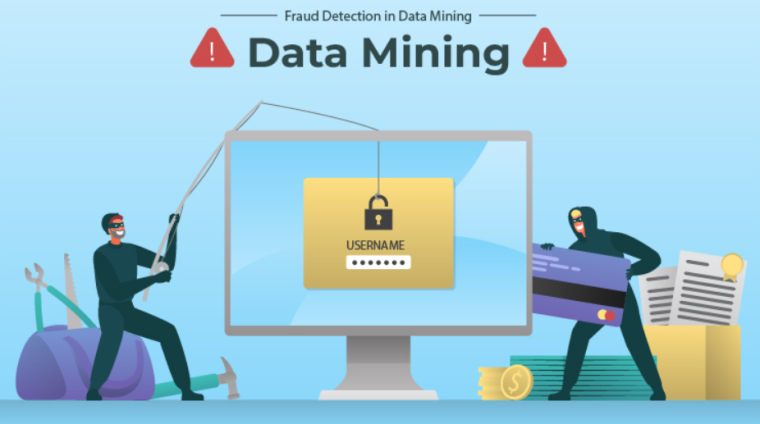
This course provides participants with the knowledge and practical skills to apply data mining techniques in detecting, preventing, and mitigating fraud across various sectors. It explores statistical methods, machine learning models, and anomaly detection techniques used to identify suspicious activities and fraudulent patterns. Participants will gain hands-on experience in applying fraud detection frameworks, analyzing transaction data, and using tools to strengthen organizational resilience against fraud.
Target Groups
- Risk management and compliance officers
- Internal and external auditors
- Data analysts and data scientists
- Fraud investigators and forensic accountants
- Banking and insurance professionals
- IT security and fraud prevention teams
- Students and professionals pursuing careers in fraud analytics
Course Objectives
By the end of this course, participants will be able to:
- Understand fraud typologies and their financial implications.
- Apply data mining techniques for anomaly and pattern detection.
- Build models for predictive and real-time fraud detection.
- Use clustering, classification, and association rules in fraud detection.
- Evaluate and monitor fraud risks with effective tools and dashboards.
- Strengthen internal fraud prevention frameworks.
- Leverage machine learning and AI for advanced fraud analytics.
- Implement ethical and regulatory compliance practices in fraud detection.
Course Modules
Module 1: Fundamentals of Fraud and Data Mining
- Understanding types of fraud (financial, insurance, cyber, procurement)
- The role of data mining in fraud detection
- Fraud risk indicators and red flags
- Key challenges in fraud detection
Module 2: Data Preparation and Preprocessing for Fraud Analytics
- Data collection and cleaning for fraud detection
- Handling imbalanced datasets
- Feature engineering for fraud detection models
- Data visualization for anomaly identification
Module 3: Statistical and Rule-Based Fraud Detection
- Descriptive statistics for fraud detection
- Outlier detection methods
- Rule-based fraud detection systems
- Limitations of traditional fraud detection approaches
Module 4: Machine Learning for Fraud Detection
- Supervised learning techniques (decision trees, logistic regression, random forest)
- Unsupervised learning (clustering, anomaly detection)
- Neural networks for fraud prediction
- Evaluating fraud detection model performance
Module 5: Advanced Data Mining Techniques
- Text mining for fraud detection in unstructured data
- Social network analysis for fraud rings
- Association rule mining for transaction patterns
- Ensemble methods for improved fraud detection accuracy
Module 6: Real-Time Fraud Detection Systems
- Streaming data analytics for fraud detection
- Building fraud detection pipelines
- Case study: credit card and banking fraud detection
- Tools and platforms for real-time fraud monitoring
Module 7: Fraud Detection in Key Industries
- Fraud detection in banking and financial services
- Insurance claims fraud analytics
- Healthcare fraud detection
- E-commerce and digital payments fraud
Module 8: Risk Management and Fraud Prevention Frameworks
- Designing fraud prevention controls
- Fraud risk assessment methodologies
- Integration with enterprise risk management (ERM)
- Regulatory compliance and reporting requirements
Module 9: Tools, Dashboards & Visualization for Fraud Detection
- Using BI tools (Power BI, Tableau) for fraud monitoring
- Fraud detection dashboards and alerts
- Visualization of fraud trends and anomalies
- Case studies on fraud analytics dashboards
Module 10: Capstone Project – Fraud Detection Application
- Developing a fraud detection model for a chosen industry
- Applying clustering/classification to real datasets
- Designing fraud monitoring dashboards
- Presenting a fraud prevention and detection strategy