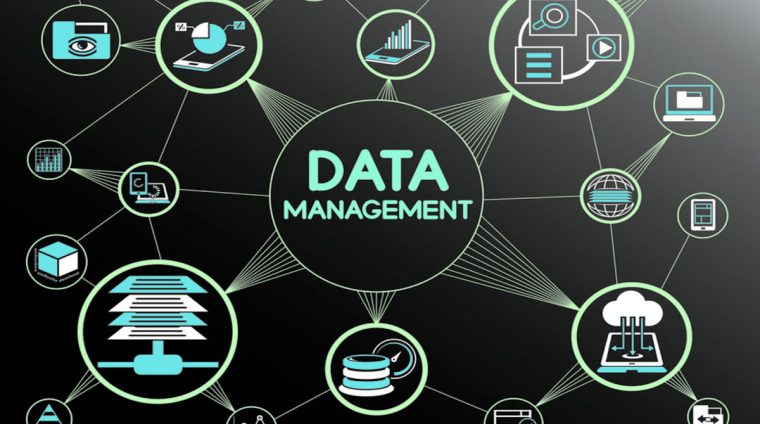
This course provides participants with comprehensive knowledge and skills in data management and integration techniques essential for modern organizations. It explores the principles of effective data management, integration methods, data quality improvement, and tools for unifying data across multiple systems. Participants will learn how to design integration strategies, ensure data consistency, and leverage data for analytics and decision-making.
Target Groups
- Data analysts, engineers, and scientists
- Business intelligence and analytics professionals
- IT managers and database administrators
- Data governance and compliance officers
- Consultants in data management and transformation
- Corporate strategists and decision-makers
- Students pursuing careers in data science or IT
Course Objectives
By the end of this course, participants will be able to:
- Understand the principles of modern data management.
- Apply data integration techniques to unify data from multiple sources.
- Improve data quality, consistency, and accuracy.
- Design and implement data governance frameworks.
- Utilize ETL (Extract, Transform, Load) and ELT processes effectively.
- Leverage APIs and middleware for seamless integration.
- Ensure compliance with data privacy and security regulations.
- Optimize data flows for analytics and reporting.
- Manage master data and metadata effectively.
- Build a scalable and future-proof data management strategy.
Course Modules
Module 1: Fundamentals of Data Management
- Importance of data as an organizational asset
- Core principles of data management
- Types of data (structured, unstructured, semi-structured)
- Data lifecycle and value chain
Module 2: Data Governance and Quality Management
- Principles of data governance frameworks
- Data ownership and stewardship roles
- Ensuring data accuracy, completeness, and consistency
- Tools and techniques for data quality improvement
Module 3: Data Integration Basics
- Concepts and goals of data integration
- Common integration challenges and solutions
- ETL and ELT processes explained
- Data pipelines and workflows
Module 4: Integration Tools and Technologies
- Middleware and API-driven integration
- Data virtualization and federation
- Cloud-based integration solutions
- Comparison of integration platforms
Module 5: Master Data and Metadata Management
- Importance of master data management (MDM)
- Techniques for managing metadata effectively
- Creating a single source of truth
- Synchronizing master data across systems
Module 6: Real-Time and Batch Data Integration
- Differences between batch and real-time processing
- Streaming data integration techniques
- Use cases for real-time analytics
- Tools for streaming and event-driven architectures
Module 7: Security, Privacy, and Compliance
- Protecting data during integration
- Encryption and secure transfer protocols
- Compliance with regulations (GDPR, HIPAA, etc.)
- Data access controls and monitoring
Module 8: Data Warehousing and Lakes Integration
- Role of data warehouses and data lakes
- Integrating structured and unstructured data
- Hybrid storage and integration models
- Best practices for scalable storage solutions
Module 9: Analytics and Business Use Cases
- Leveraging integrated data for BI and analytics
- Enhancing decision-making with unified datasets
- Industry-specific applications of data integration
- Case studies in finance, healthcare, and retail
Module 10: Future Trends in Data Management & Integration
- AI and machine learning in data integration
- Cloud-native and serverless architectures
- Data mesh and data fabric approaches
- Building resilient and adaptive data ecosystems